Every gardener has a bad year, and 2026 has been ours.
Not catastrophically bad. The garden is still here, after all: green, vigorous and in places rather beautiful. But it has been a summer in which almost everything required patience, improvisation and a willingness to revise expectations—qualities already demanded in generous measure by gardening at 58 degrees north.
While much of Britain watched lawns turn brown and reached for the hosepipe, northwest Sutherland remained deeply, almost aggressively green. We had around five per cent more summer rainfall than average, but significantly less sunshine. The heatwaves further south did not reach us. This was undoubtedly good news for anyone seeking a genuine cool-cation, but rather less helpful for plants waiting politely for enough warmth and light to flower.
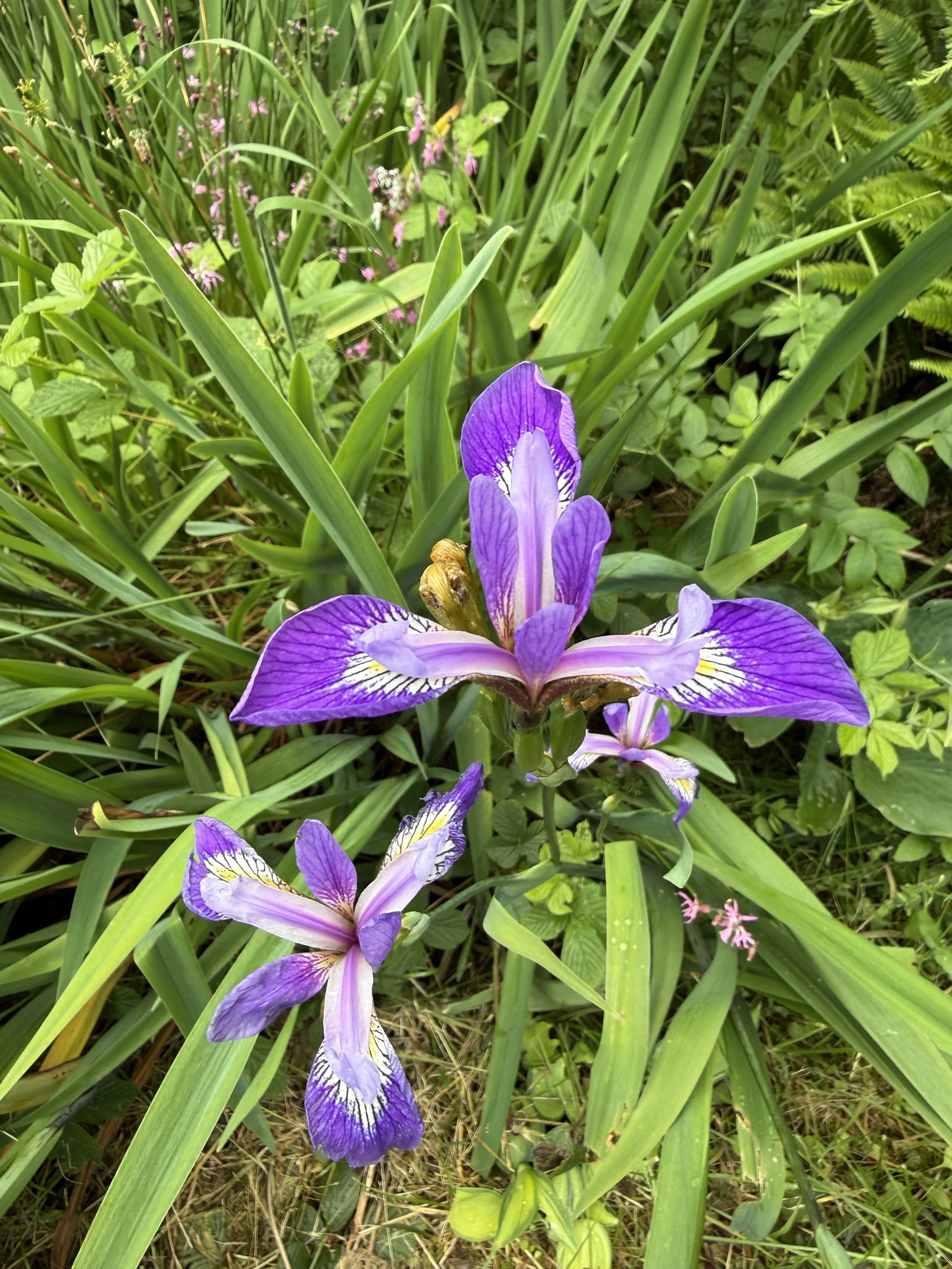
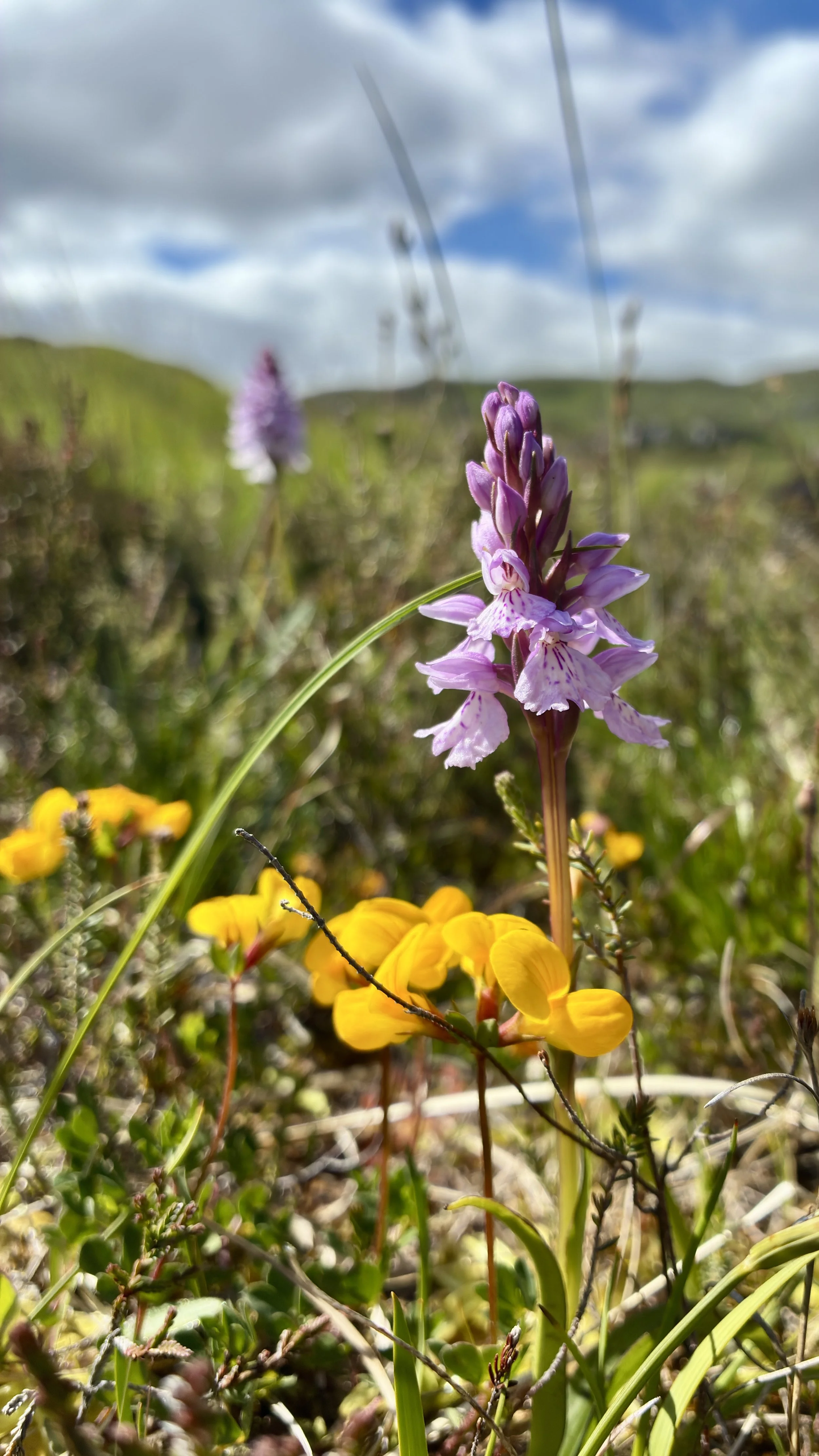
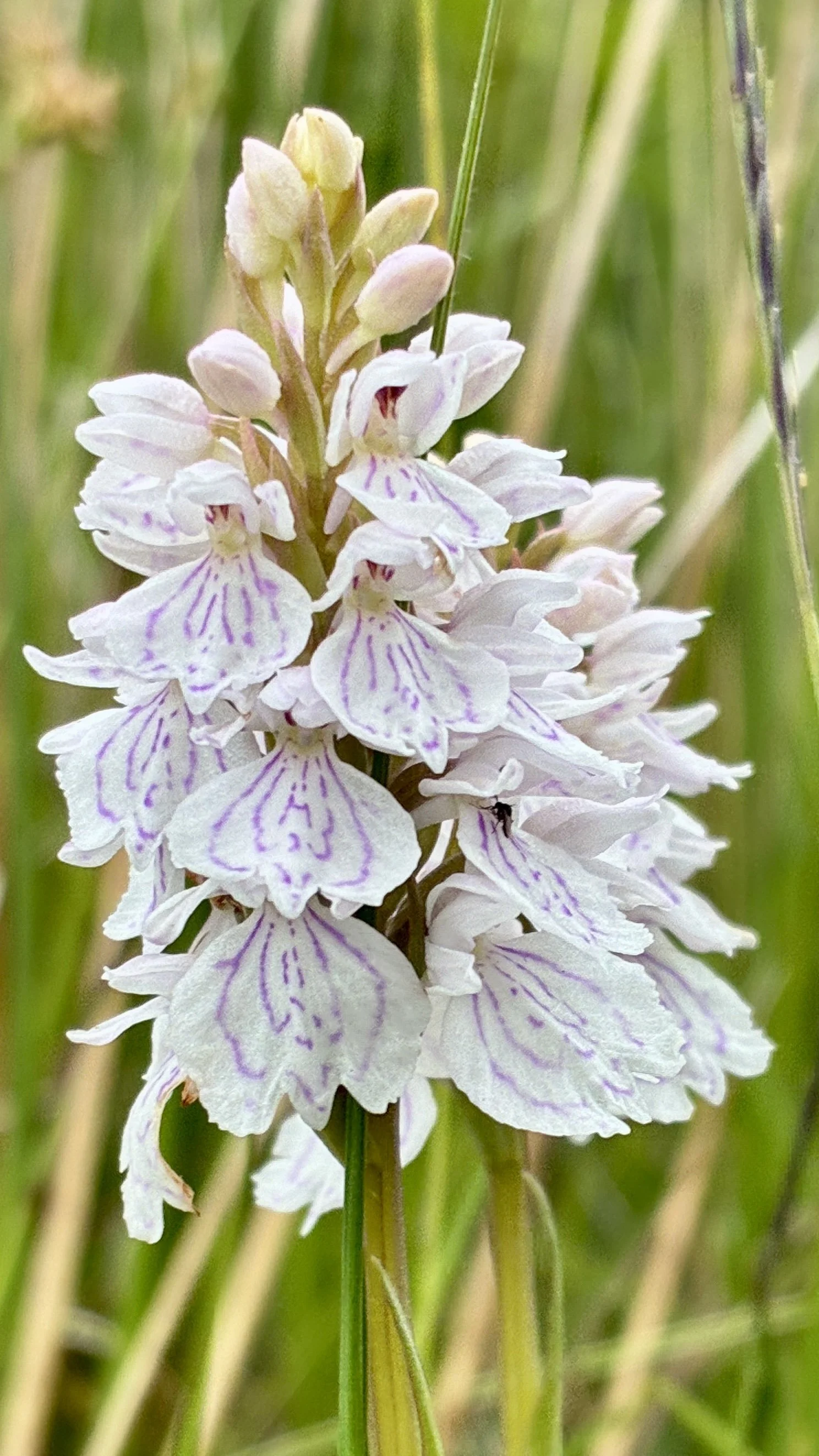
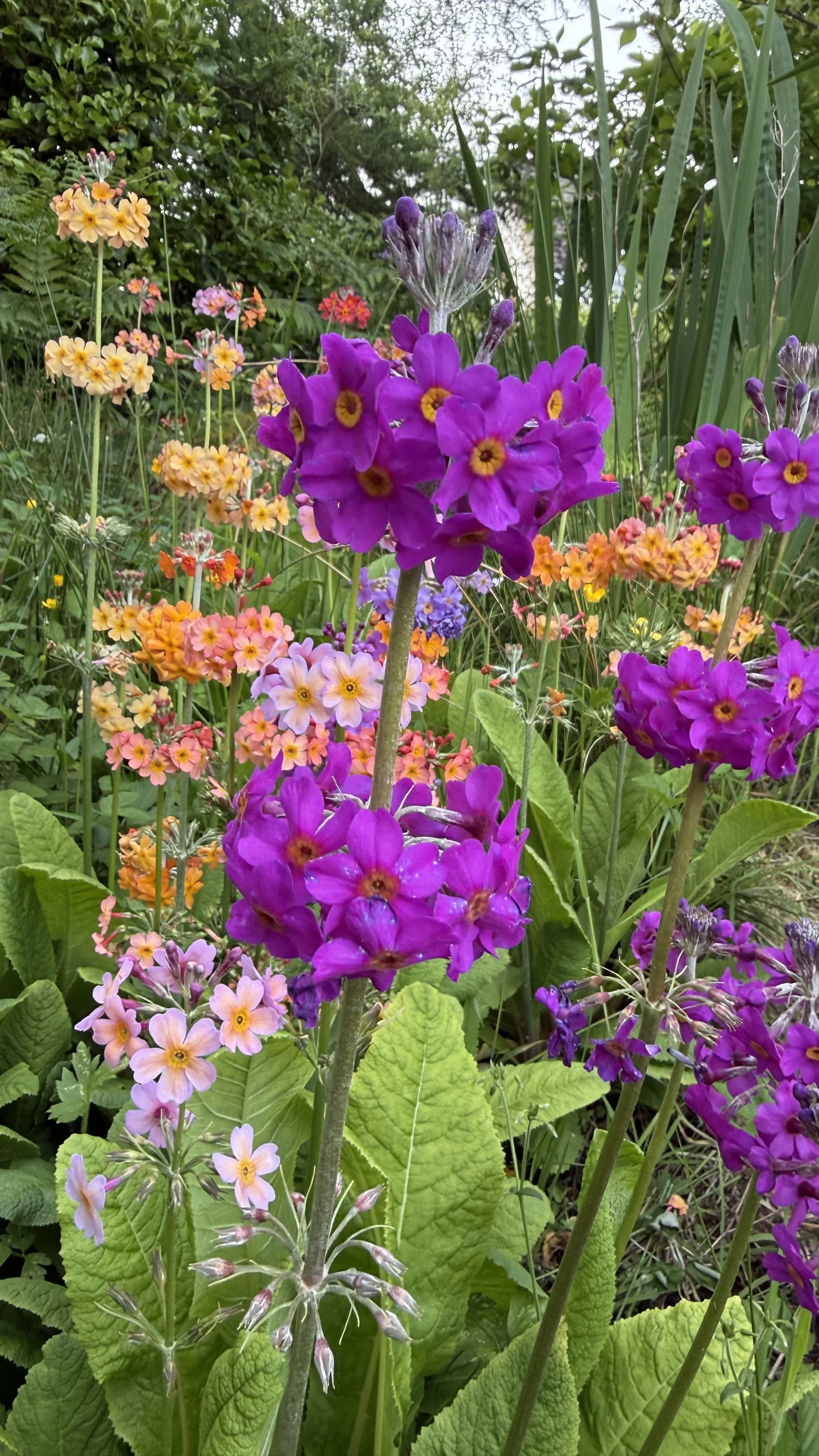
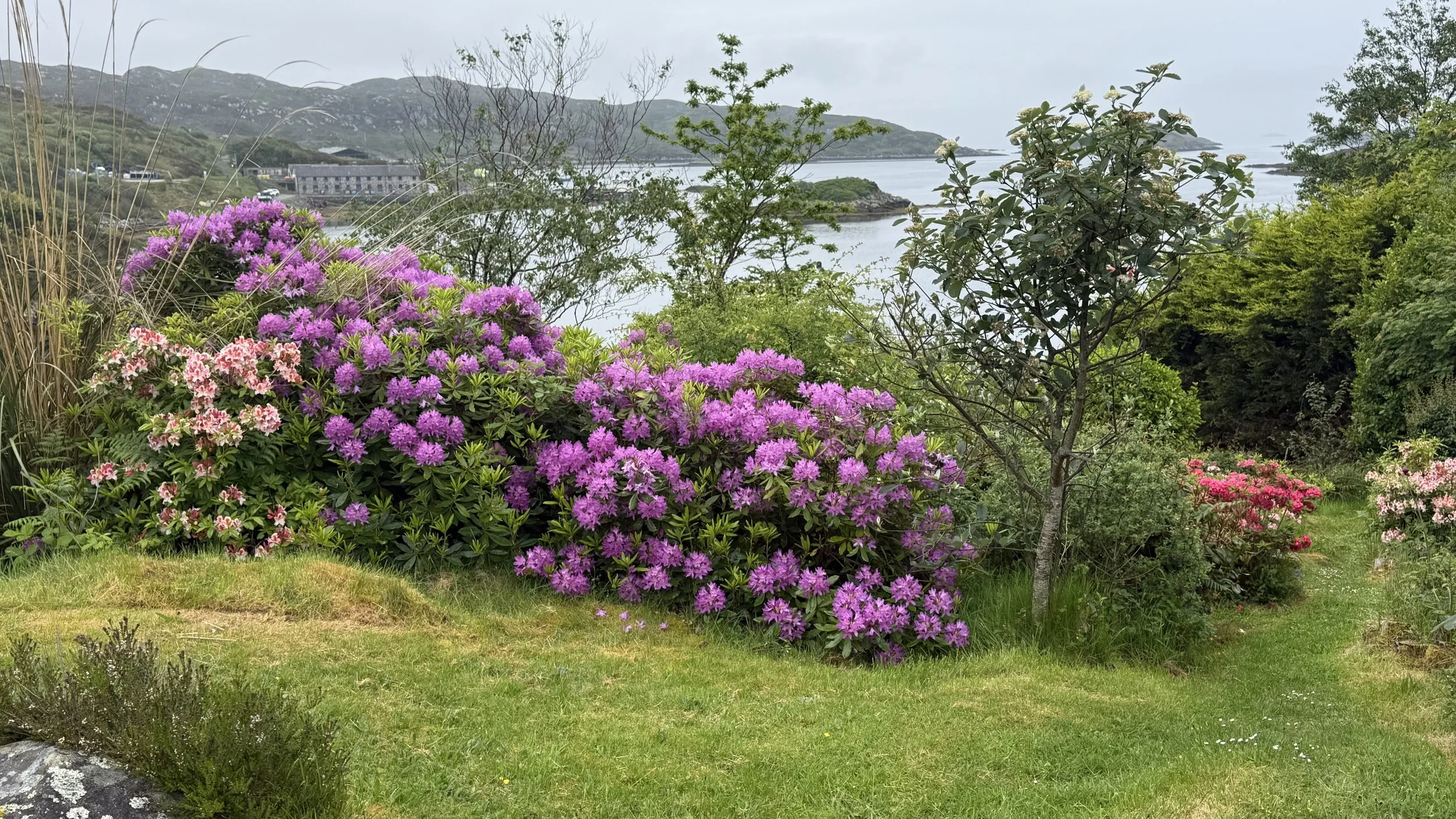
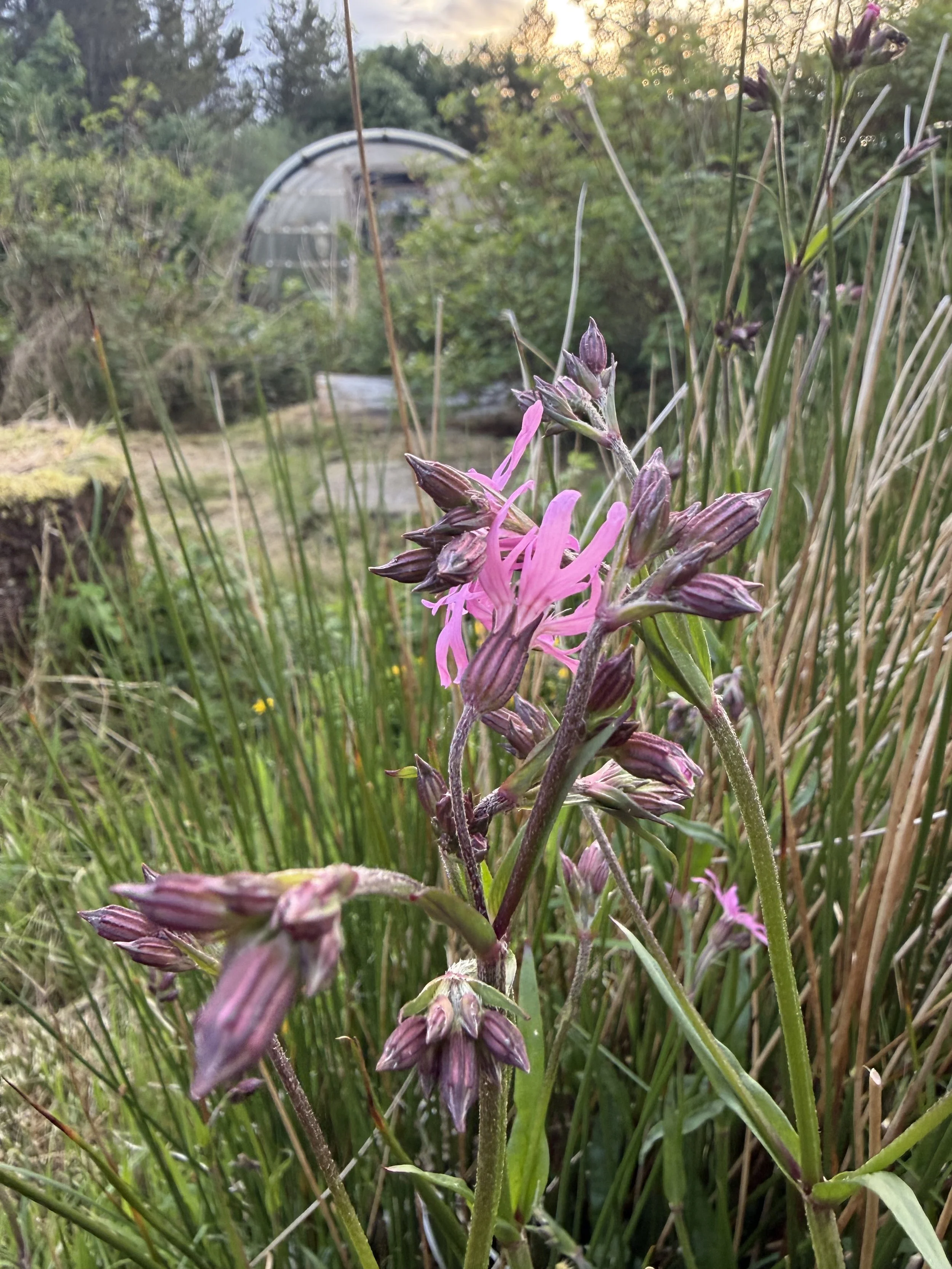
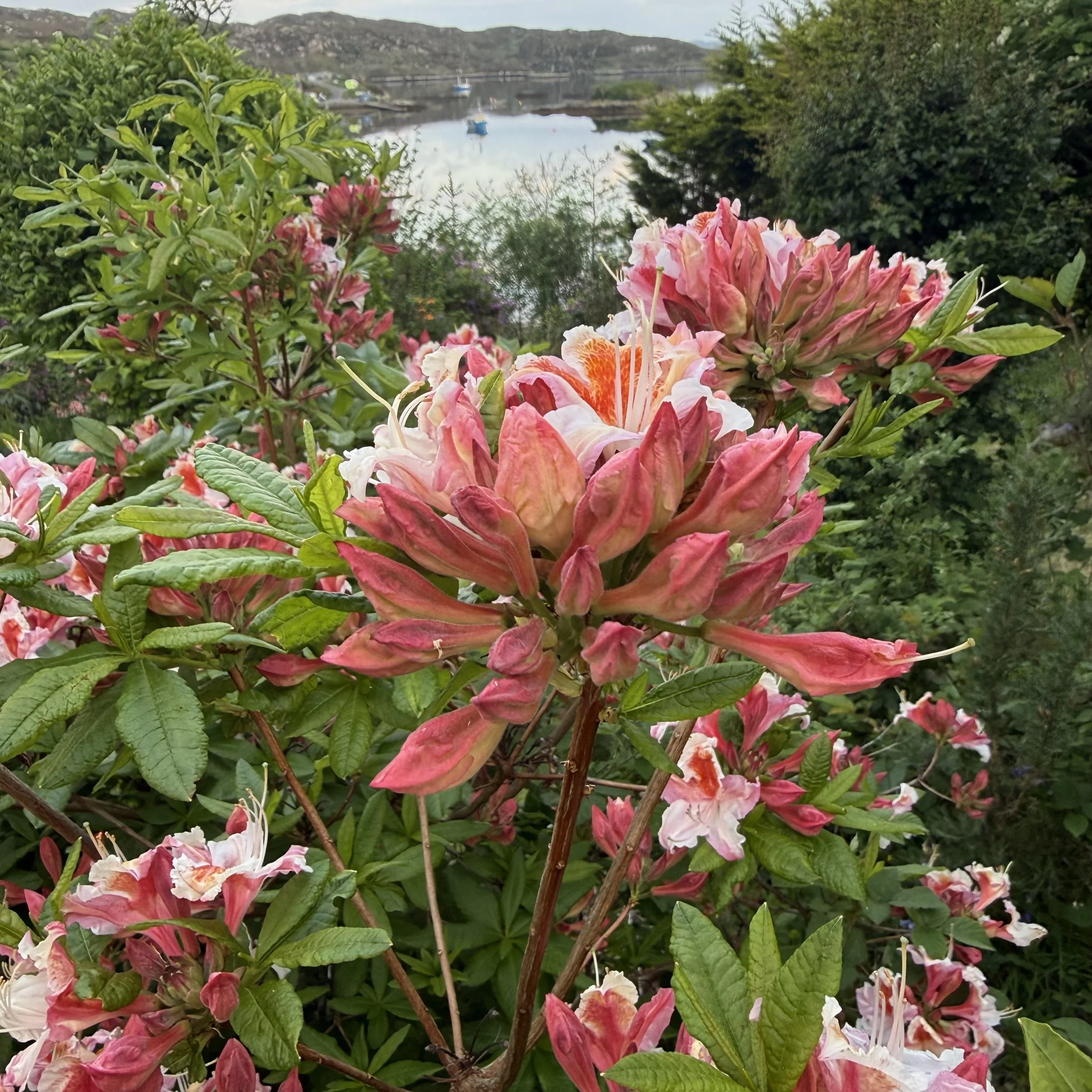
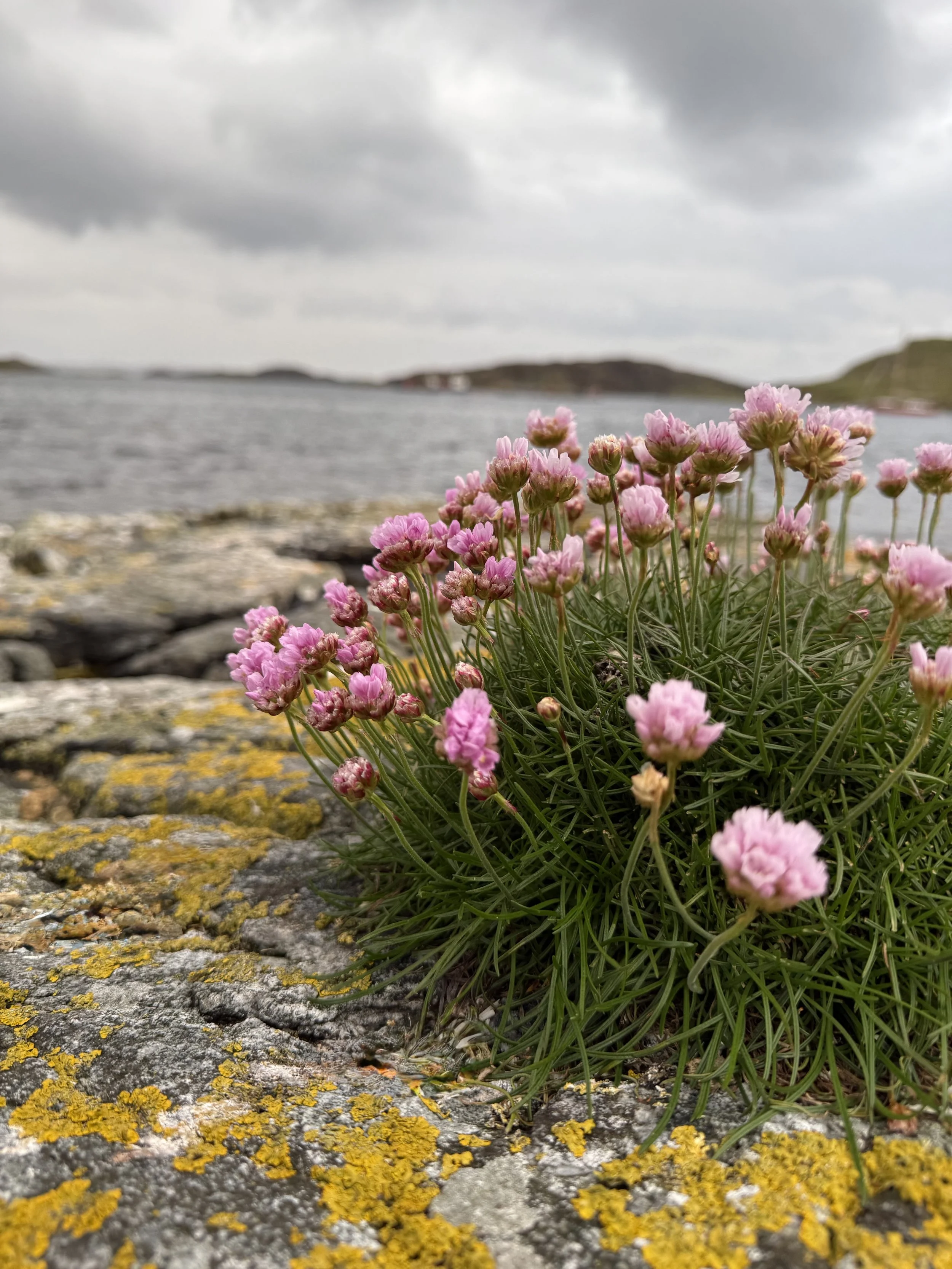
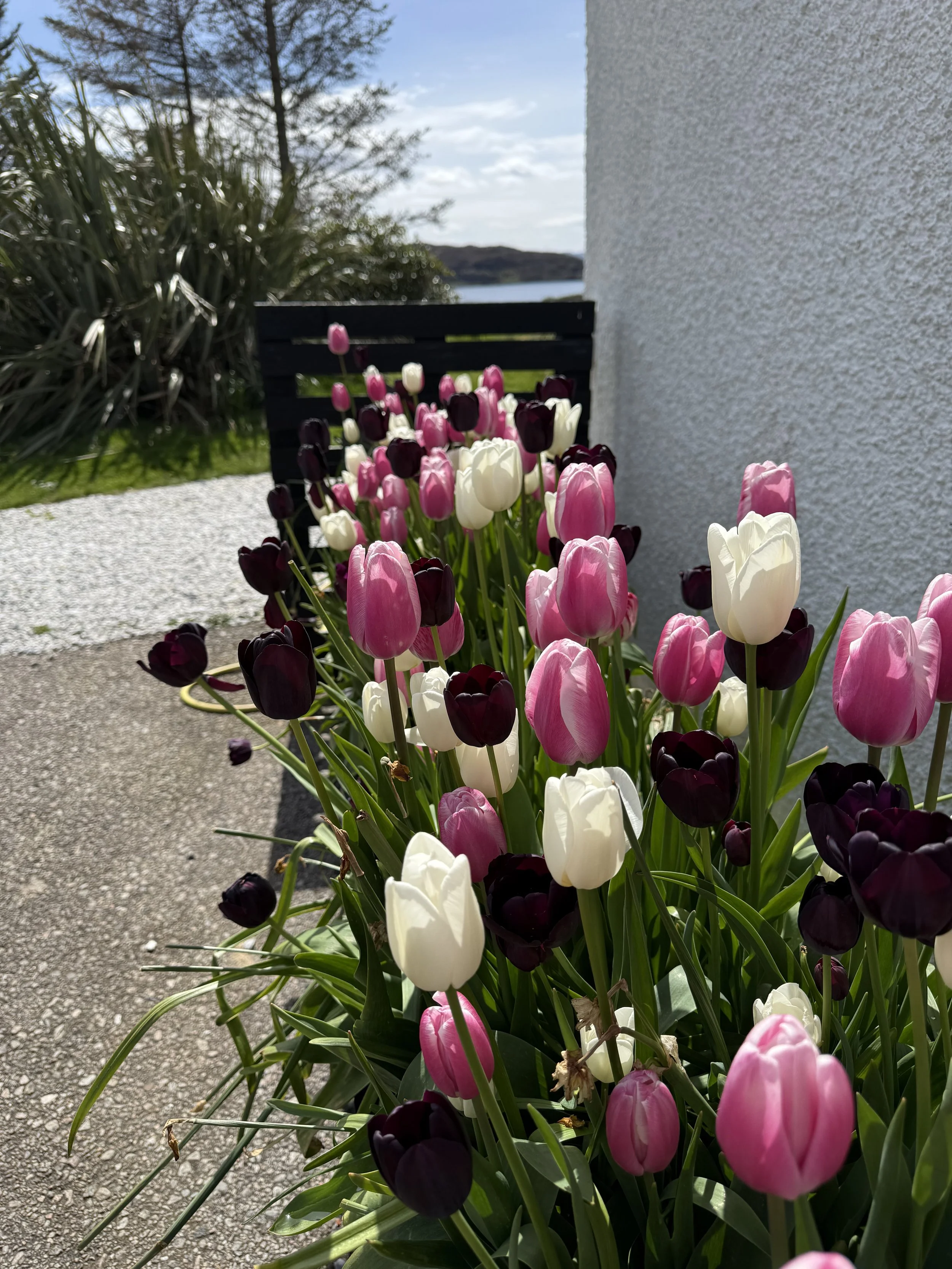
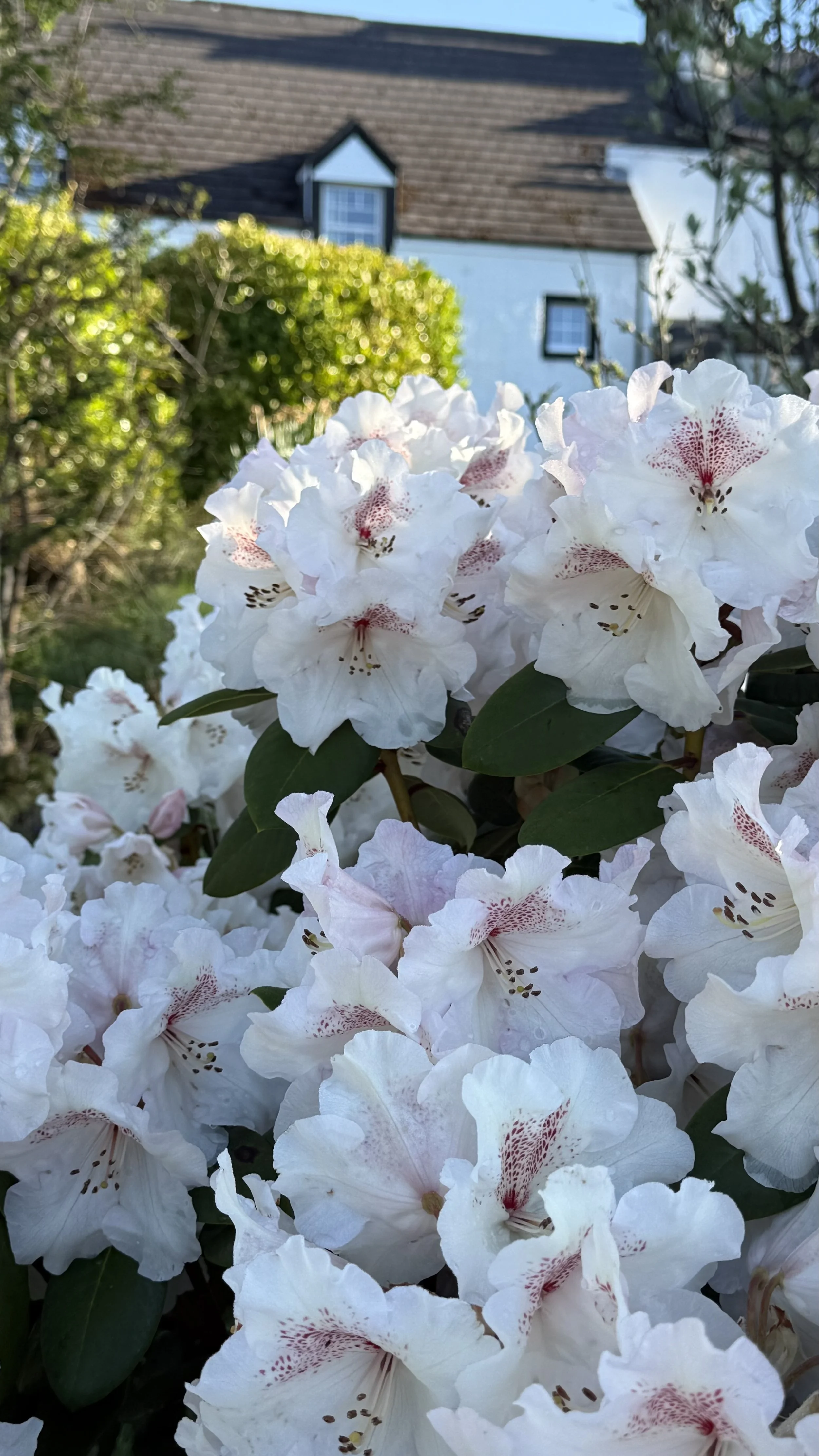
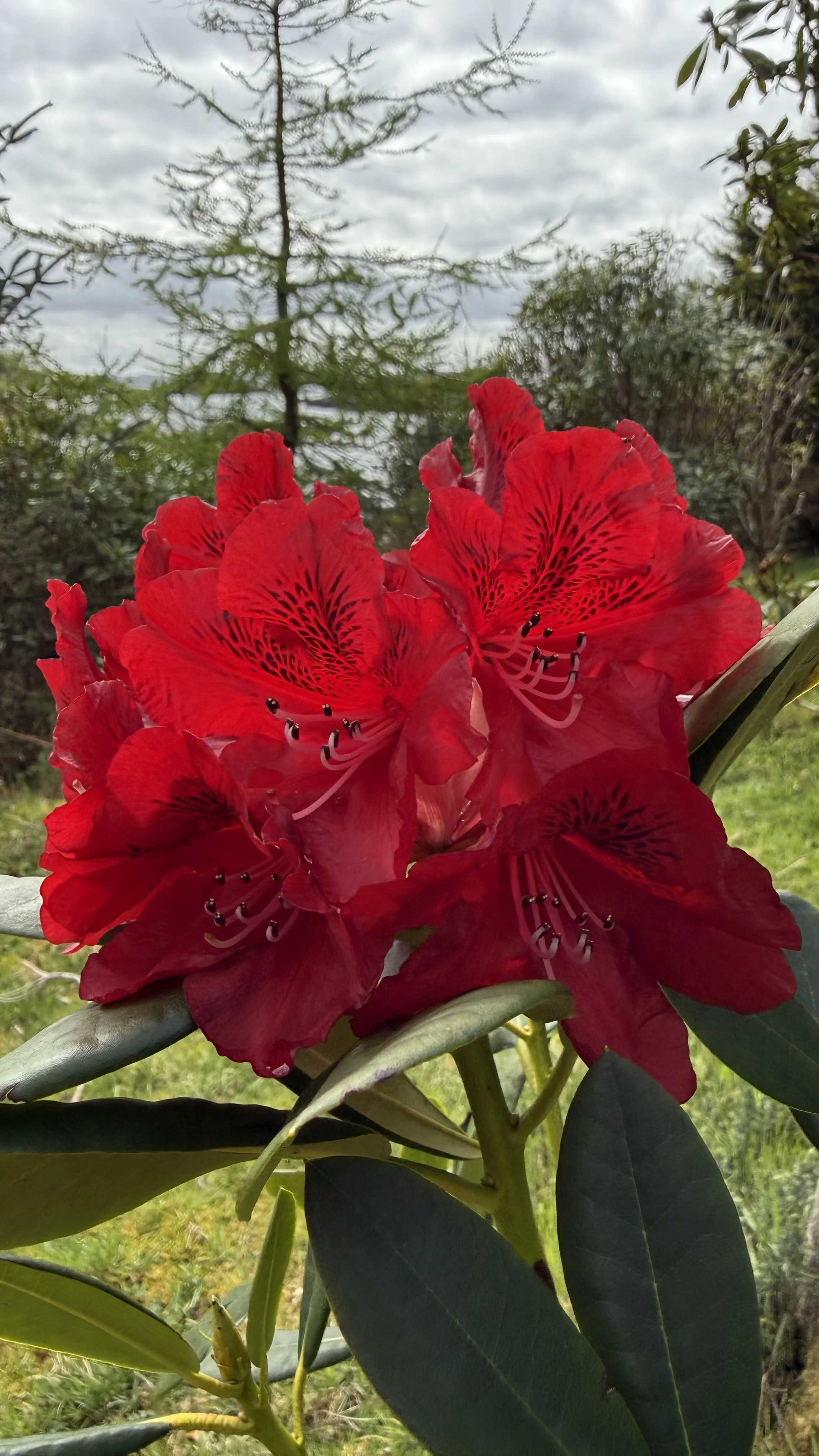
Buds formed and paused. A sunny day would prompt a brief and excited opening of colour, rain and cooler days followed , resulting in brown petals, rain and another round of soggy deadheading. Some plants simply stopped growing and appeared to consider their options.
Normally, the garden begins spring about three weeks behind those further south. Then the light gathers pace, darkness disappears from the night sky and everything rushes to catch up. By June, our growing cycle is roughly aligned with Monty Don’s. After the solstice we begin to move ahead, and by August we can be found muttering at Gardeners’ World that Longmeadow is at least a fortnight behind us.
This year, the light arrived but the warmth did not reliably follow.
The lavender planted in the front pots as an experiment only produced its first proper flowers in September. The salvias and snapdragons alongside it were equally late. Even the nepeta received what we call the Hampton Hack rather than the Chelsea Chop, Chelsea being an absurdly early deadline for any self-respecting plant at this latitude.
There were compensations. Poppies appeared late on the old bonfire site near the shore, succeeding precisely because summer had behaved more like a Highland spring. The nasturtiums carried on. Ragged robin spread happily through the damp areas, and the rowans, crocosmia and ornamental grasses began the garden’s change from the pinks and purples of early summer to the reds, oranges and golds of autumn.
The gardener’s summer
Somewhere in one’s sixties, a negotiation begins between the gardener and their body. It is not a discussion the gardener initiates, and the terms are rarely favourable.
This year the matter was raised by a persistent foot problem which defeated several doctors over several months. Our garden is steep, rough and unforgiving underfoot; even reaching acute medical care in northwest Sutherland can turn an appointment into a day trip. Much of my summer therefore passed in enforced supervision and future planning rather than active gardening.
The Polycrub—our Shetland-designed equivalent of a polytunnel—was the principal casualty. Without regular attention it can overheat even on dull days, yet without sunshine many of the plants inside still underperformed. It is now destined for a thorough autumn clear-out and reset.
Elsewhere, James held the ground. His job title remains General Assistant, although his actual responsibilities have expanded to include rather more horticulture than featured in the original conversation. Brambles were beaten back, gorse regrowth reduced from an organised advance to isolated skirmishes, and native wildflowers began to establish on the cleared ground near the shore.
The garden survived. The gardener is mending. Optimism, as ever, remains undimmed.
A new member of the Gardening Team
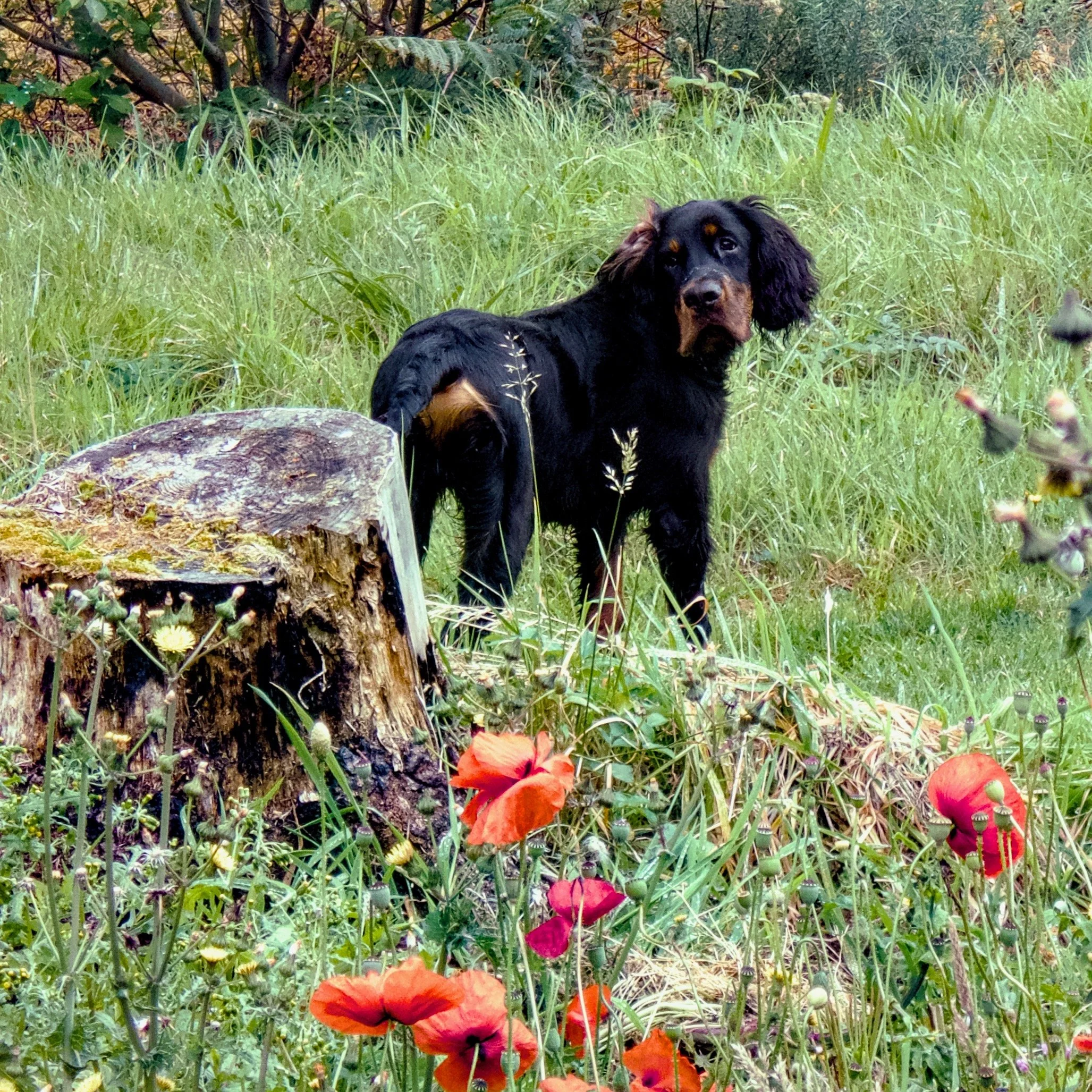
Loki, in the long term he may make Under Gardener
In February we lost Bydand, our Gordon Setter, suddenly at the age of nine. Those who knew him will understand that the hotel—and its gardens—became immediately quieter, tidier and considerably less Bydand.
His successor was born in Kent, requiring Richard to make a 1,430-mile round trip to collect him. The puppy arrived with the holding name Tumshie, a Scots endearment meaning little turnip. After considering Sutherland’s Norse history and the nature of Gordon Setters—the mischief, intelligence and capacity to transform from a small soft creature into a counter-height athlete—we settled on Loki.
The name fits.
Loki has appointed himself supervisor of all outdoor activity. He assists with weeding by digging energetically and without precision, and considers tools, gloves, cuttings and the gardener’s clothing to be equally worthy of investigation. If agricultural language drifts across the grounds from the flower beds, it is likely to concern his interpretation of horticultural assistance.
Monty Don has always gardened with dogs. We are watching to see whether Loki will follow that model or take after Merlin, our Maine Coon, who observes proceedings like a very senior consultant yet to decide whether intervention is necessary. Merlin’s approach involves markedly less collateral damage.
Deer, geese and other garden staff
The deer have also influenced this year’s gardening. In spring, a group redirected by neighbouring stalking activity came over the western wall and ate around a thousand emerging tulips with the systematic efficiency of something that had been planning the raid for some time.
Flashing boundary lights have since proved about ninety per cent effective. An acoustic deterrent at the mid-level steps emits occasional dogs and human voices without disturbing guests, nesting tawny owls or the geese who raised five goslings along our shore. The goslings, as a bonus, have been excellent slug-disposal units. Wildlife management here involves a good deal of triangulation.
Poppy, our English Shepherd, continues to patrol with quiet authority. Loki has so far observed deer mainly from behind my ankles. We regard him as a long-term investment.
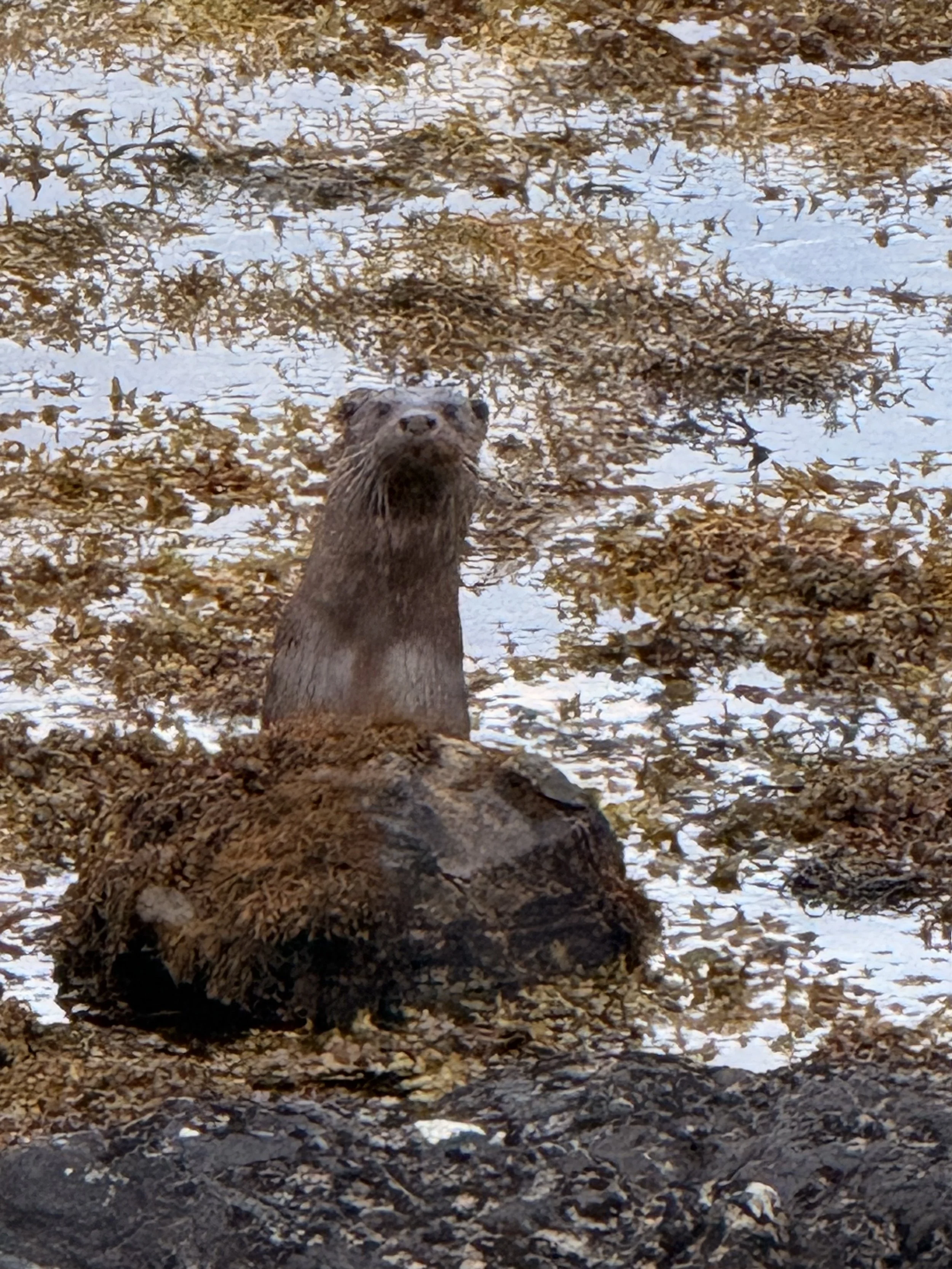
Other wildlife has offered less contentious company. A dog otter has fished the bay with unusual confidence this summer, sometimes close to the lower garden. Otters keep their own counsel, so no sighting can ever be promised, but the chances from the shore have recently been as good as we have known them.
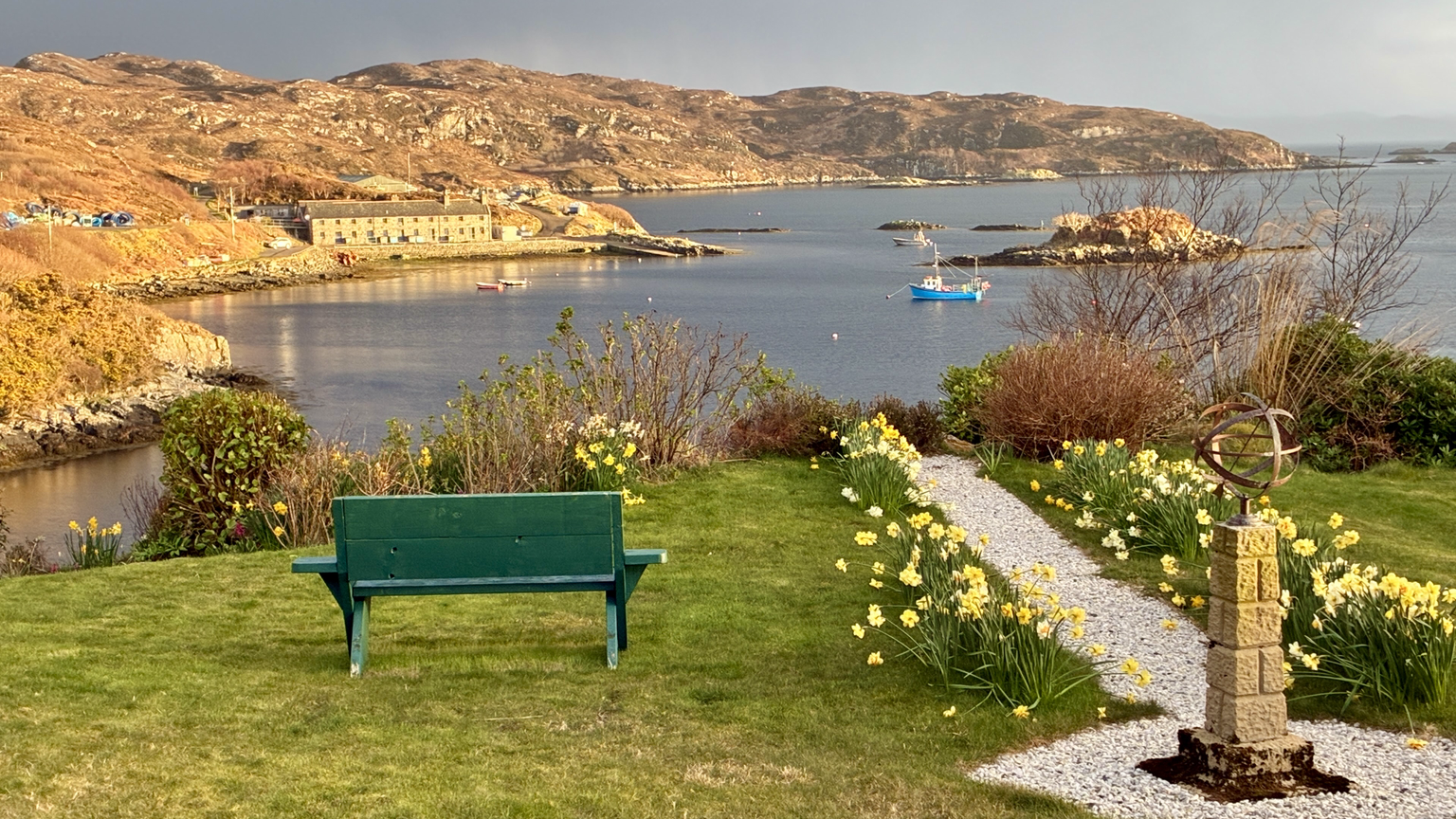
The seals remain regular residents and gardening observers of the highest standing. One will splash loudly if a busy gardener fails to stop and speak. The benches at different levels of the grounds are there for exactly this sort of interruption: from the lowest, you sit almost at water level; higher up, the bay and islands rearrange themselves against the hills as you climb.
W. H. Davies had the right idea. Sitting and staring is not merely permitted here. It is the point.
Turning towards autumn
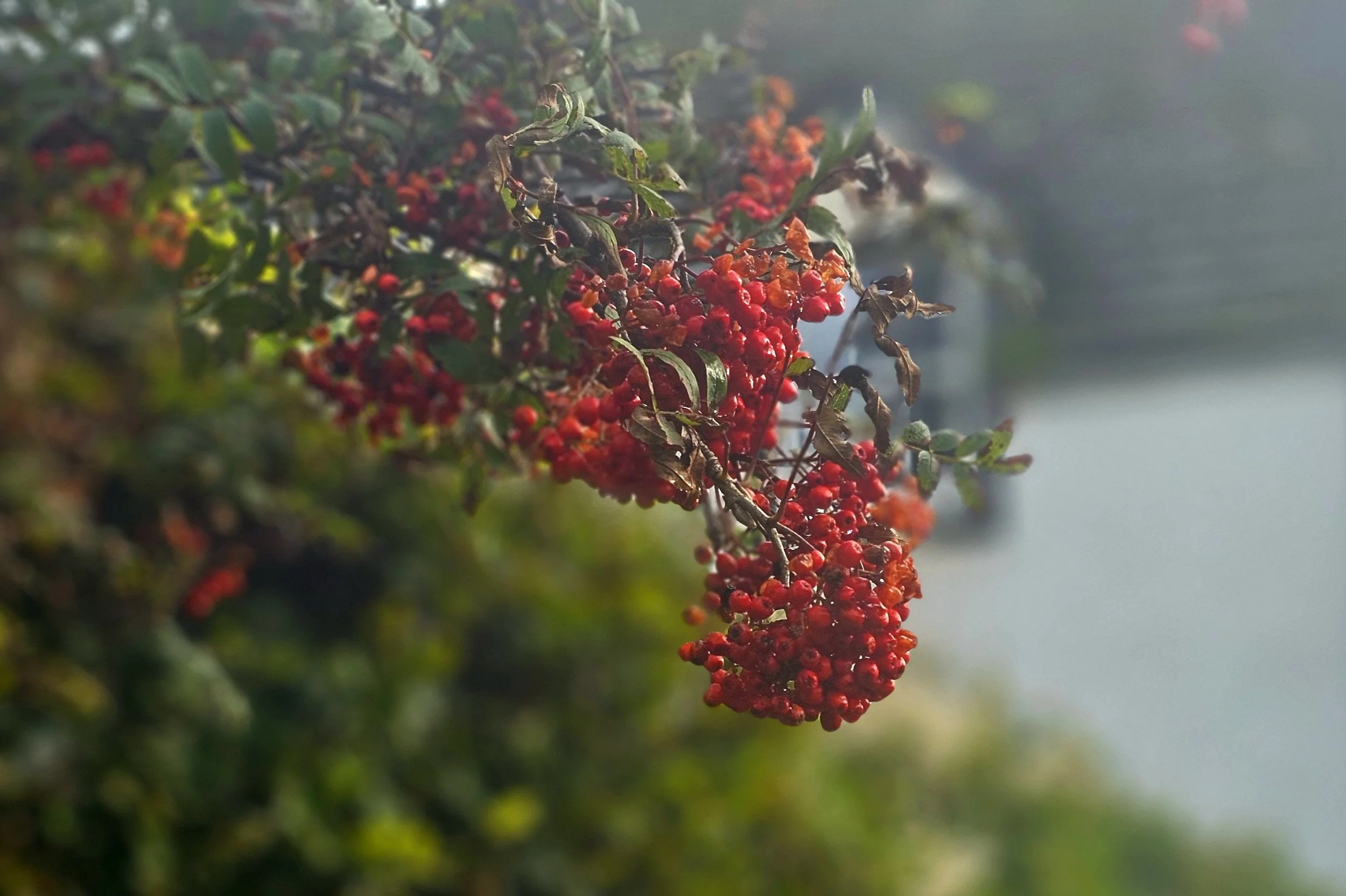
By September, the garden is having a different conversation. The rowan berries move from yellow through orange to the red that will draw the fieldfares later in autumn. Crocosmia burns across the middle slopes, the ornamental grasses carry full seed heads, and rudbeckias and other prairie plants finally take their turn.
The bulb catalogues have arrived, and notes are being made while the evidence of this difficult season is still fresh. The courtyard pots need better drainage. The lavender experiment remains under observation. The Polycrub will be restarted. More seaweed from the shore may become fertiliser, once enthusiasm has been reconciled with the effort involved in moving it uphill.
For now, the garden is changing rather than finished. The crocosmia is alight, the rowans are red, the grass is defiantly green and somewhere in the beds a young Gordon Setter is enthusiastically helping.
The garden is recovering. So is the gardener. Next year will be considerably better.
It always is.