A House, a Glebe and Three Centuries of Highland Life
The story of Eddrachilles at Badcall Bay
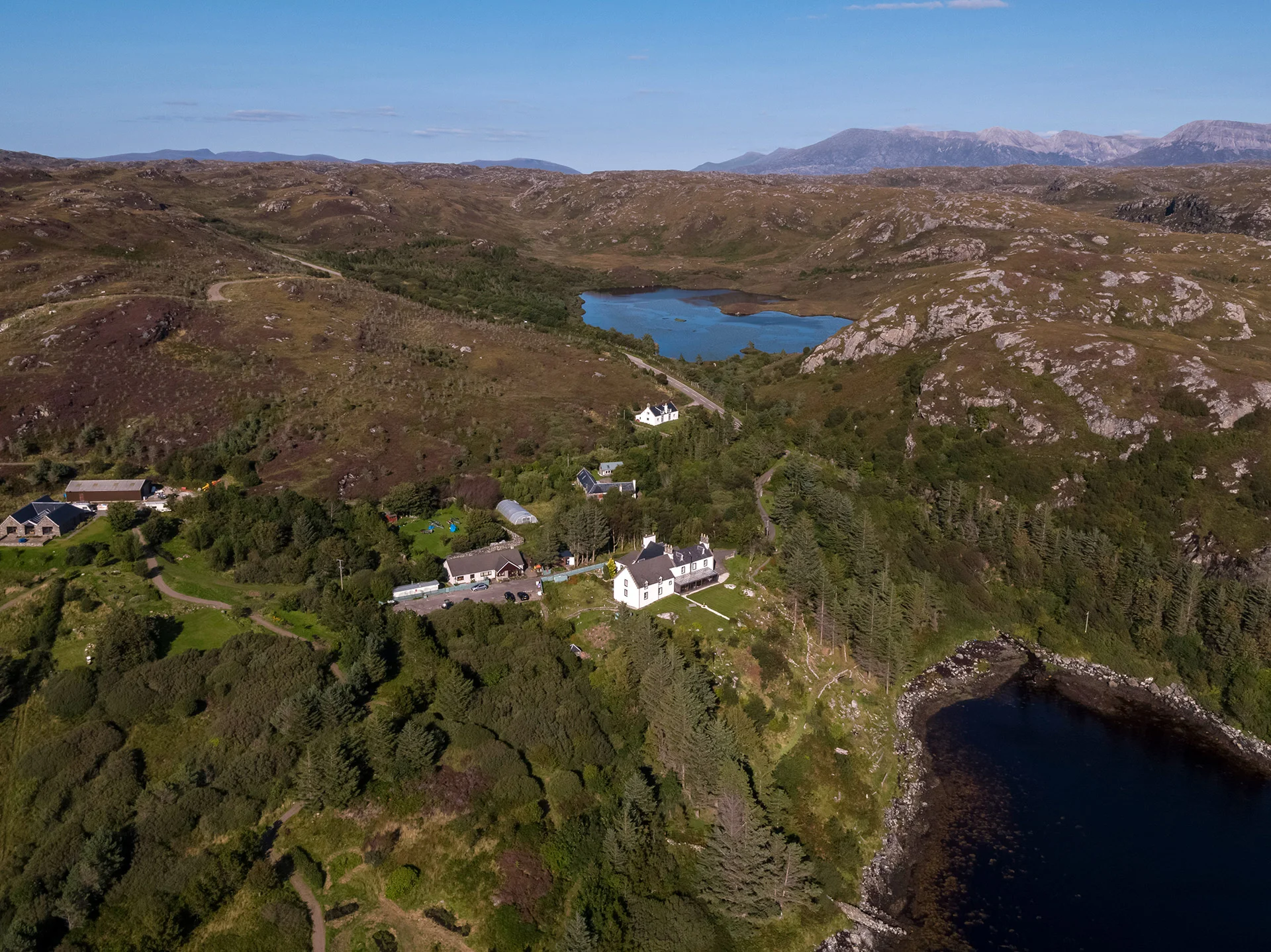
A parish at Badcall Bay
Long before Eddrachillis (the parish spelling, with Eddrachilles the less common form) became a parish, coastal communities made their living from fishing, grazing, crofting and seasonal work. Travel was often by boat; overland journeys followed rough tracks before estate roads arrived.
Distance shaped the parish’s beginnings. Until the 1720s, ministers travelled from Durness, whose immense parish stretched across mountains and sea lochs. In 1719 Lord Reay appealed to the Church of Scotland’s General Assembly for more ministers and schoolmasters; a petition followed in 1721. The national appeal raised about 26,000 merks. In 1724 Durness was divided into Durness, Tongue and Eddrachillis.
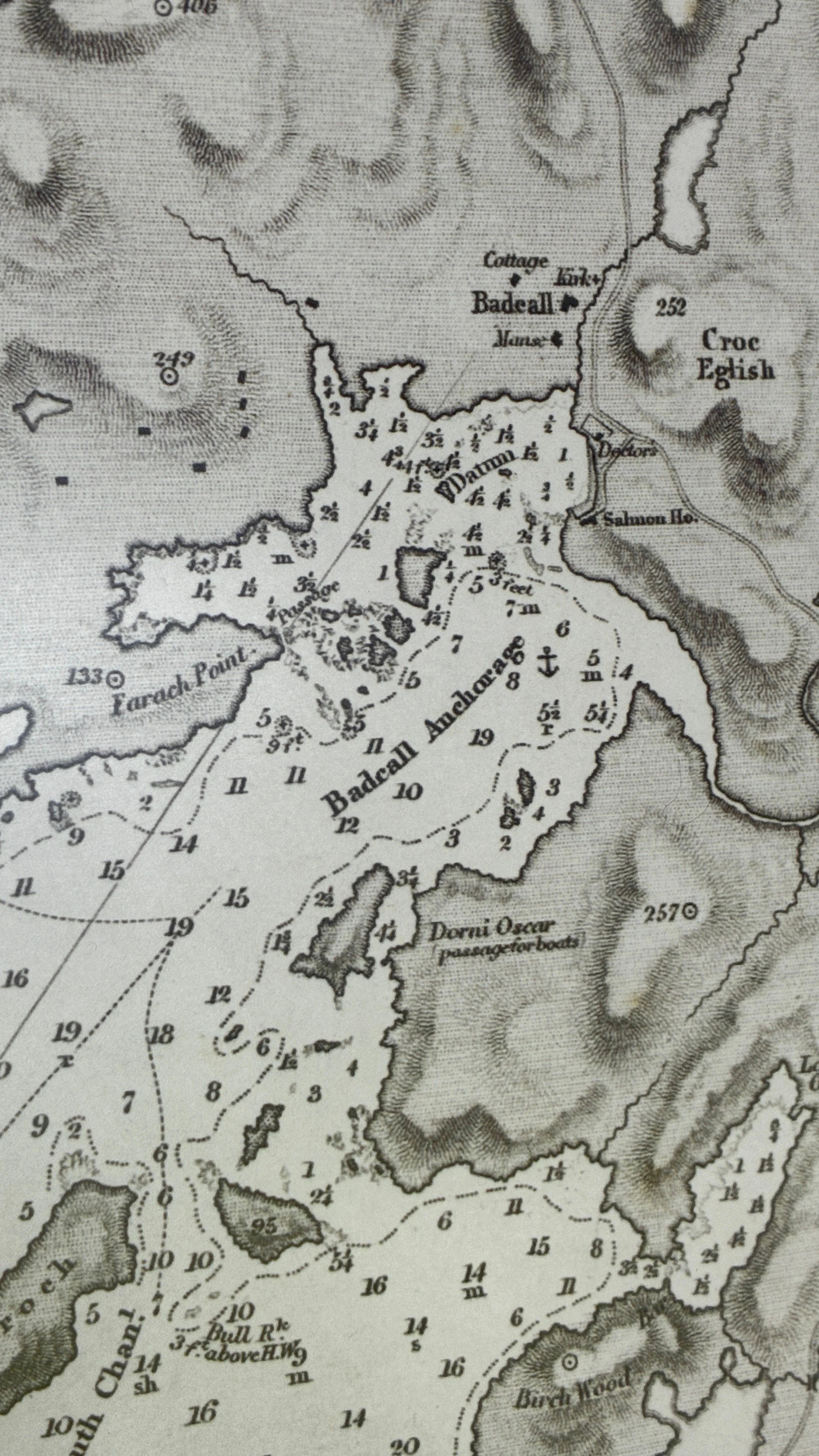
Lord Reay undertook to provide a church, manse, glebe land for the minister’s household and an annual stipend. Badcall’s sheltered anchorage connected this remote parish to the wider world by sea and helped make it a fitting site. The glebe was a church holding and working farm.
The manse and the working glebe
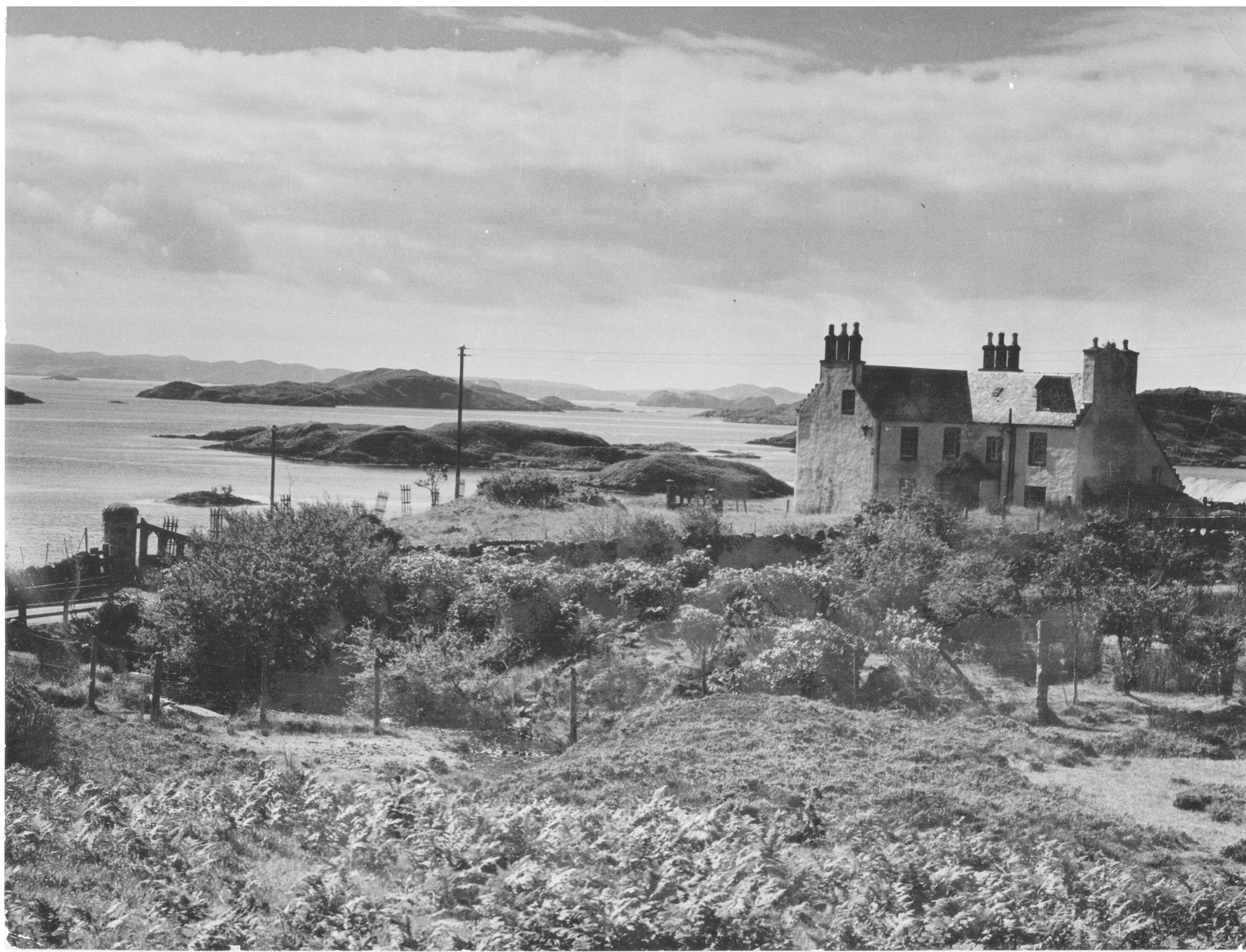
The Reverend George Brodie, minister of Durness since 1715, took up the Eddrachillis charge on 5 October 1726 and settled at Badcall. He spoke Gaelic, the language of everyday life and worship for the local community. His first manse was a modest stone house with a thatched roof. A nineteenth-century estate map marks its uncertain site near the present hotel.
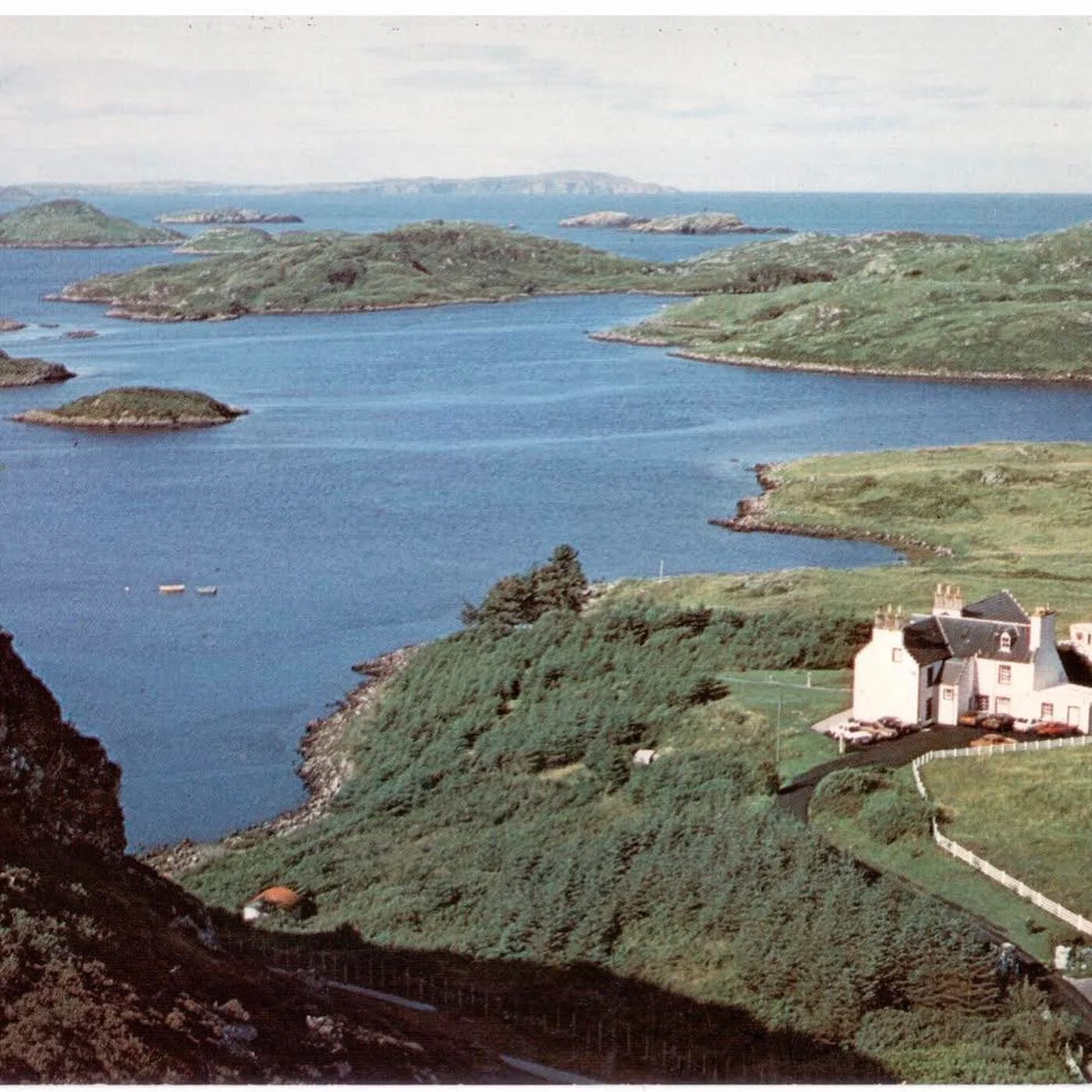
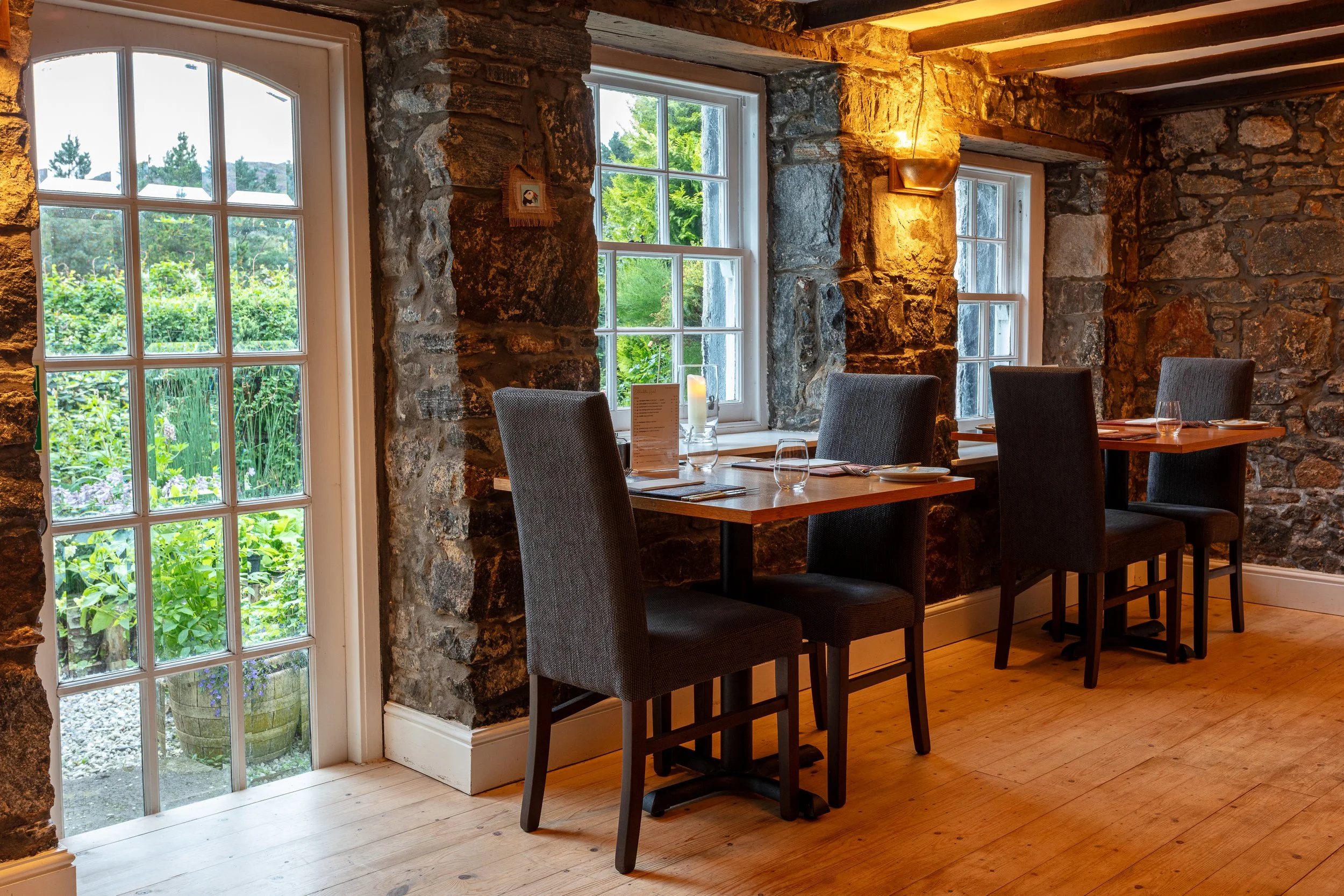
By the early nineteenth century, a more substantial manse had replaced it. The oldest part of today’s hotel is generally thought to date from around the 1820s. Modest by grand-house standards, it was substantial here. Its crow-stepped gables and distinctive lozenge-shaped chimneys are heritage-listed features. The chimneys appear in our logo and delight visiting architects who find them on the building. The inner room of The Glebe Kitchen was the manse kitchen; its original flagstones remain beneath the present floor. The outer room began as animal stalls and a small dairy, with rougher flagstones beneath a wooden floor.
The shore also had economic value. In the eighteenth century, seaweed gathered for fields and livestock became a commercial crop. Burned into kelp ash, it supplied glass, soap and textile makers. The Reverend Alexander Falconer, minister from 1763, claimed the right to profit from seaweed on his glebe shore; Lord Reay disputed it. Falconer lost in the Court of Session: he kept the right to gather seaweed for agriculture, but not to profit from kelp. The case shows how the glebe’s practical value could pit minister against landowner.
Gaelic and the Disruption
Gaelic remained central to life in Eddrachillis. In the 1820s, assistant minister Donald Gordon examined schools in Kinlochbervie and Scourie, interested in children’s ability to read scripture in Gaelic. He and a fellow minister described it as the language of thought and everyday conversation. Later, George Henderson, minister from 1901 to 1911, became a Gaelic scholar and Lecturer in Celtic at Glasgow University. His papers include poetry, traditional tales, proverbs and ballads.
The most dramatic change in the parish’s religious life came with the Great Disruption of 1843. The Reverend George Tulloch left the Church of Scotland for the Free Church, taking almost his entire congregation with him. Eddrachillis was later cited in Parliament as having experienced the most complete secession from the established Church of any parish on the Scottish mainland.
The new congregation first worshipped in a tent near Scourie beach. After storms destroyed it, services were held outdoors at the Worship Rocks, before the Free Church built a church and manse in Scourie. The established Church retained the white manse and glebe at Badcall, but built a new manse nearer its parishioners in 1854. The glebe continued to support the Church.
From manse to hotel
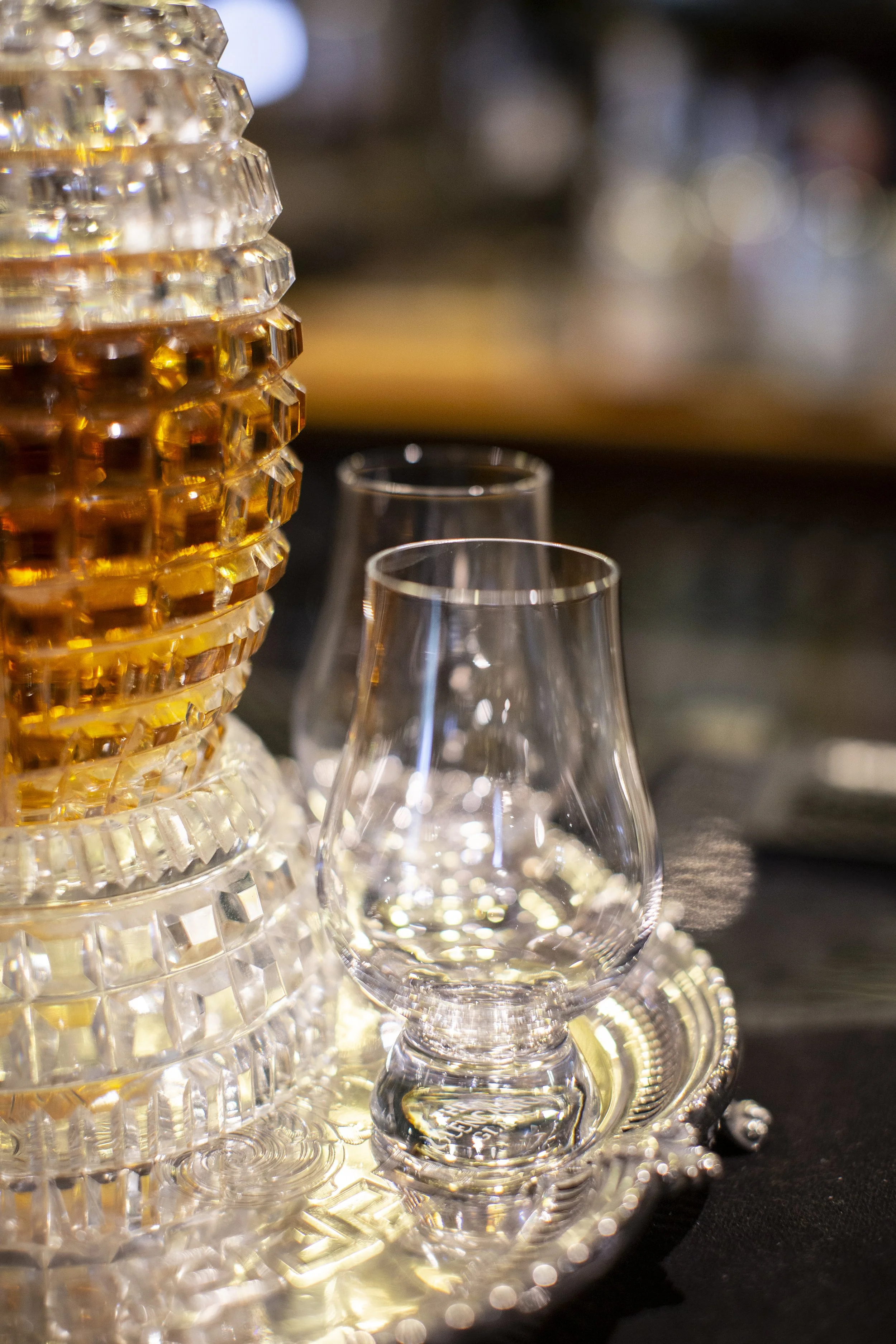
The Church of Scotland remained at Badcall into the twentieth century. In 1931 its General Trustees put the former manse and 313 acres up for sale. That year Lieutenant Colonel Thomas Wilkinson Cuthbert, a retired Seaforth Highlander and First World War veteran, bought Eddrachilles as his home. He farmed sheep and cattle and worked to preserve the history of the Seaforth Highlanders through memorials across the north. He arranged for a cask of whisky to be served at his wake, as it was in 1936. We keep a whisky-barrel decanter at the bar in his memory.
During the Second World War, Cuthbert’s relatives cared for the house and lands under a trust. The house also sometimes accommodated evacuee children from family and friends. In the 1950s it welcomed travellers as part of a youth hostel, based mainly in the nearby cottage; later it served as a family home and summer letting business.
Its gradual transformation into a small country hotel gathered pace in the 1970s under Alastair Wood. On Thursday 21 September 1978, The Press and Journal featured Eddrachilles under the headline “North hotel’s ‘get away from it all’ attraction”. An accompanying advertisement called it “The Perfect Country Break”, promising a quiet Highland setting, excellent cuisine and friendly, attentive service.
Eddrachilles today
When we took over Eddrachilles in 2016, we became the latest stewards of a house shaped by ministers, farmers, soldiers, families and travellers. The wider lands and buildings of the original feu had already been separated from the property, whose grounds now cover about three acres. We continue to develop the hotel and restaurant while respecting its character and setting above Badcall Bay.
The Glebe Kitchen takes its name from the land that supported the minister’s household. It occupies the former manse kitchen and rooms that began as stalls and a dairy, where food was prepared, stored and served and farm work was part of daily life. Today our cooking celebrates Scotland’s larder, drawing on Highland, coastal and island produce and the changing seasons.
The house has served a parish, a farm, a private home and a hotel. Its story remains tied to the land around it and to the sheltered bay that connected Badcall with the wider world.