
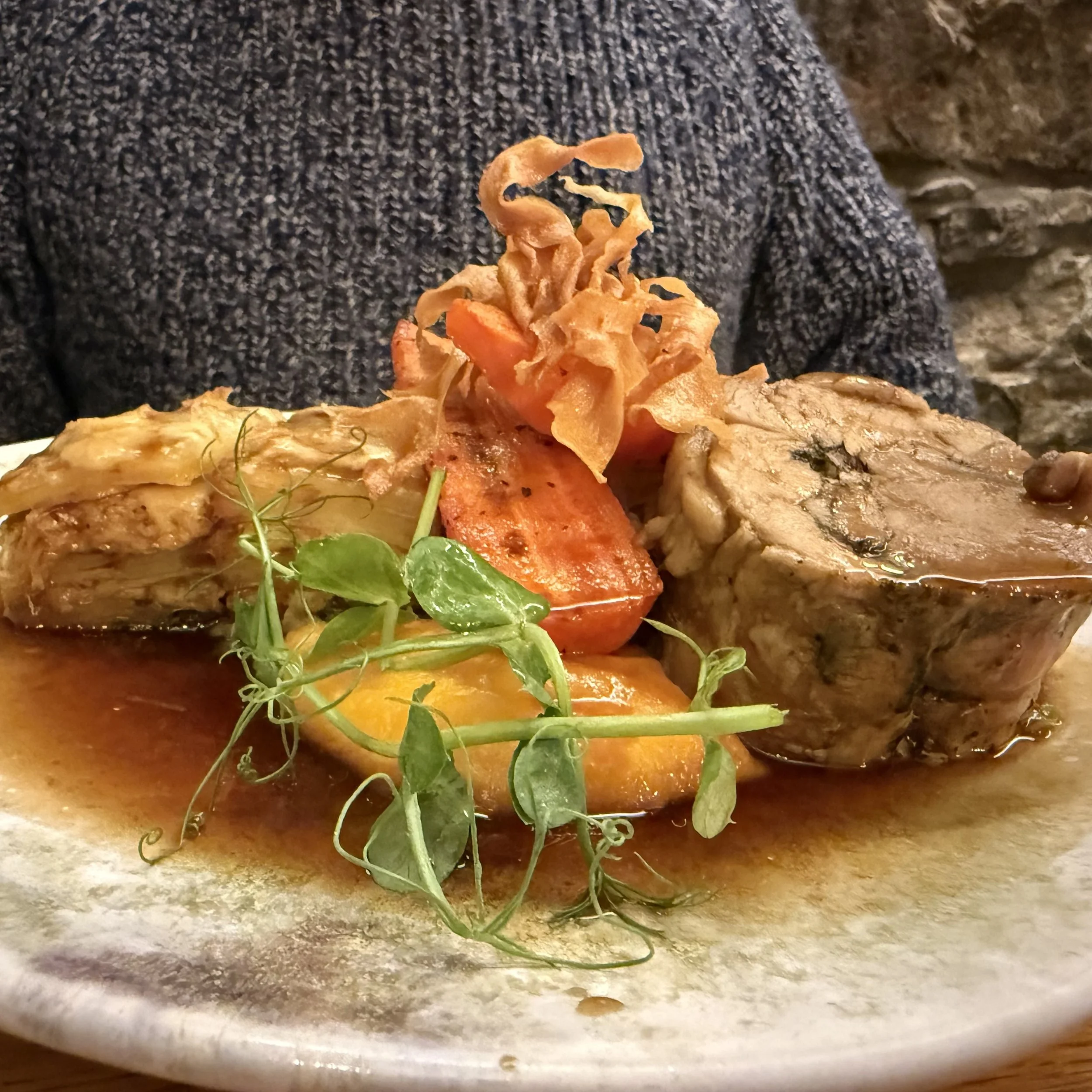
The Table at The Glebe Kitchen Restaurant
A reflection on hospitality, appetite and Highland food culture at The Glebe Kitchen restaurant at Eddrachilles Hotel on Scotland’s northwest coast.
Along the west coast of Scotland, seafood is rightly celebrated.
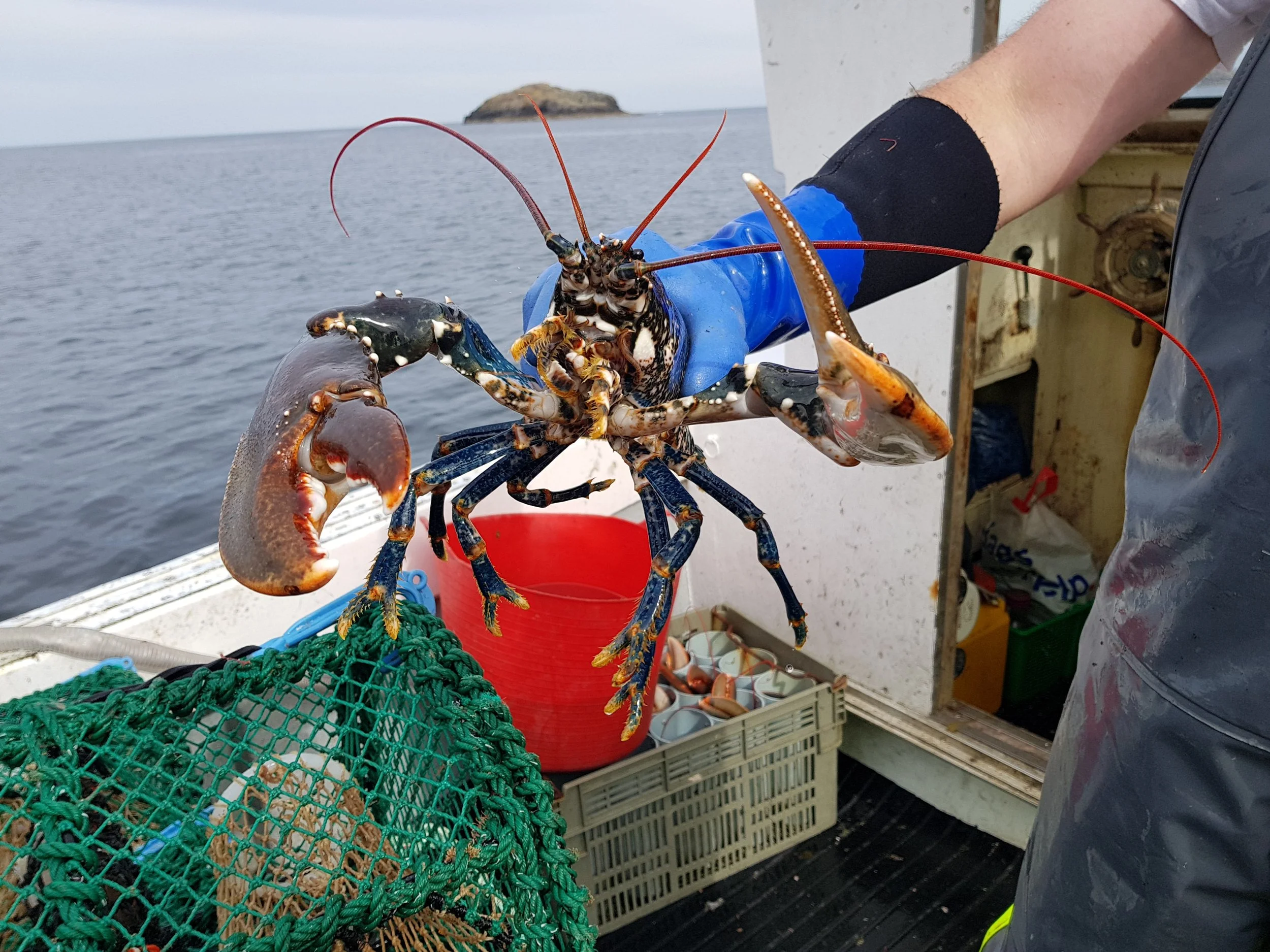
Fresh from sea, assessing a lobster on board local fishing boat.
Here on the northwest coast, creels rise from nearby waters each morning and shellfish appears on menus within hours. Several outstanding local restaurants have built deserved reputations around cooking what comes from the sea. The Shorehouse at Tarbert, long a favourite stop for guests combining lunch with a trip to Handa Island, still depends heavily on what the family boat lands each morning. The Kylesku Hotel restaurant has become one of the most photographed dining decks on the northwest coast. More recently, businesses such as Crofter’s Kitchen in Scourie, Loch Clash Larder on the way to Kinlochbervie, and the Seafood Shack in Ullapool have helped shape a thriving Highland seafood street-food scene of their own.
Not surprisingly, many visitors arriving in the northwest Highlands expect seafood and casual dining to dominate every table.
However, The Glebe Kitchen restaurant at Eddrachilles Hotel has found its own place within the northwest Highland food landscape — and it is a rather different place entirely.
We began as a hotel dining room in a former church manse. Over time, we have evolved into a restaurant serving both hotel guests staying several nights and local people gathering for what is often a celebratory meal. That distinction matters more than it might first appear. It writes our menus, shapes our pace of service and influences the atmosphere of the dining room itself.
In season, our menus do include fresh fish and seafood landed directly from Paul Murray’s orange boat, the Giomach, moored in the bay below the hotel — as immediate a connection between sea and table as it is possible to have. But feeding hotel guests well across several consecutive evenings requires something broader than a single brilliant ingredient, however fresh.
It requires attention.
Attention to how appetite changes with weather, walking distance, fatigue, conversation and the cumulative effect of a long journey north. One evening may call for oysters and monkfish. Another, after a day on the hill, often calls for beef.
Over ten years we have learned to read that rhythm. Not from theory, but from the accumulated knowledge of returning guests, local diners and a community we have been privileged to feed.
That community has taught us something that occasionally surprises visitors. People living along this coast often have extraordinary everyday access to excellent Scottish ingredients: langoustines, mackerel, scallops, venison and shellfish arriving through neighbours, estates and local boats in a way much of the country would regard as remarkable abundance. So when birthdays are celebrated and families gather in our dining room, it is frequently three Scotch beef ribeyes and a fillet steak that leave the kitchen rather than fish. Or one of our chefs’ vegetarian dishes. Not because seafood is unappreciated, but because a special meal is sometimes about contrast, indulgence and choosing on your own terms.
Hotel guests, too, can reach a point of honest seafood fatigue after several days travelling the Highlands. A good hotel dining room notices that. It does not judge it. It feeds people as they actually are rather than as a menu imagines they should be.
This is what we have gradually come to think of as our guiding principle: we serve to feed.
Not simply to present accomplished food. Not merely to create something visually memorable. But to understand the person sitting down — their mood, their appetite, their reason for being at the table — and nourish them accordingly.
To add to the joy of a Golden Wedding Anniversary. To replenish someone after a long day on the hill. To provide comfort at the end of a difficult journey north or during the poignancy of a family gathering after a funeral. That understanding only accumulates over years of attention.
The name The Glebe Kitchen reflects that broader philosophy.
Historically, the glebe was the productive land attached to a church manse: kitchen garden, grazing ground and practical sustenance for a household expected to welcome strangers and mark important occasions. It was never monoculture. A Highland manse table might hold fish from nearby waters, meat from surrounding land, bannocks from hardy grains, preserves from the garden and ingredients that had travelled considerably further.
Even remote Highland communities were never entirely cut off from the wider world. Church networks, merchant shipping, military service and Scots working overseas carried ingredients and influences back into Scottish kitchens long ago. So we make no apology for homemade pakora or Asian spice-infused mussels appearing beside Highland beef, venison and local seafood cooked classically. In its own way, that too feels part of the layered history of hospitality in Scotland.
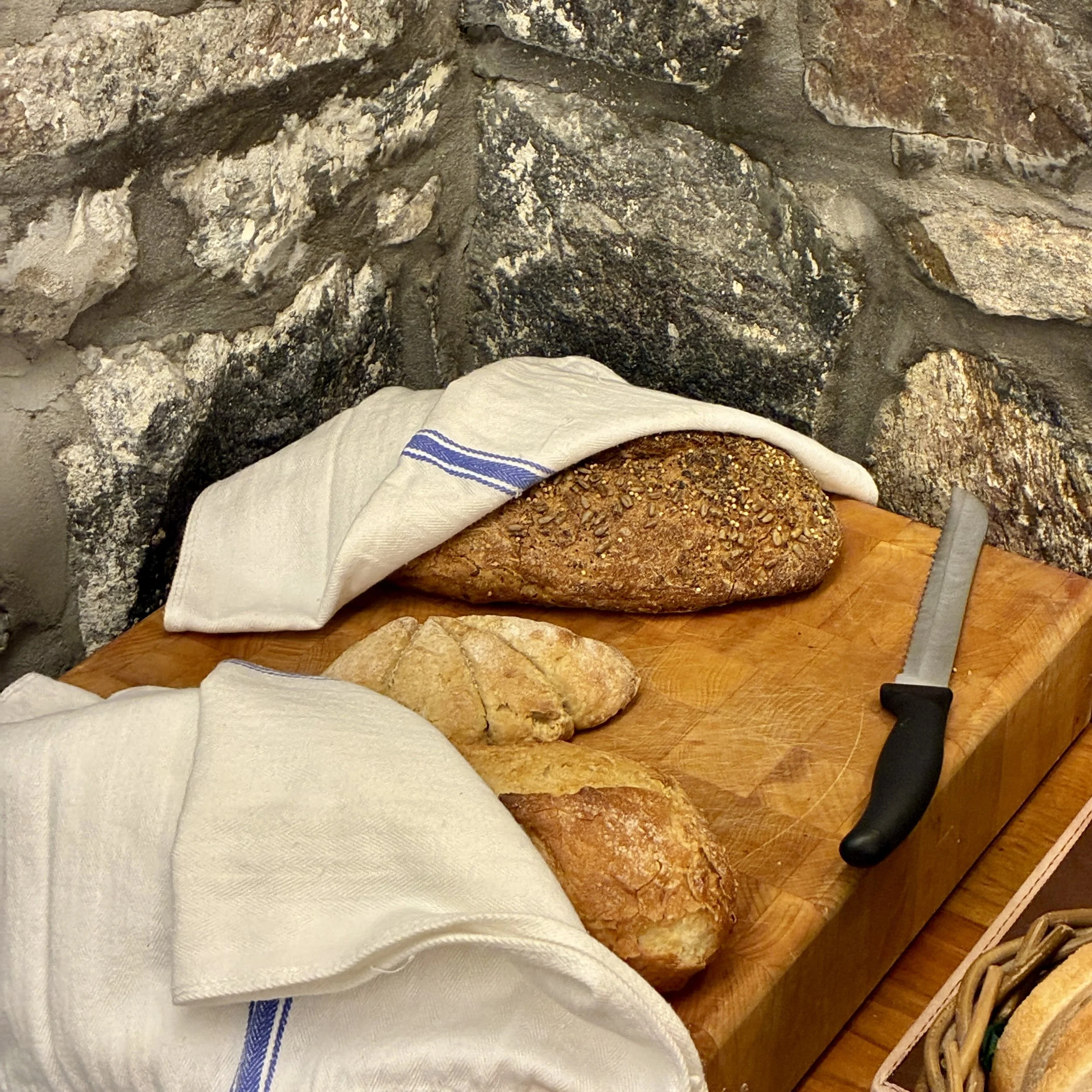
Our beremeal bannocks express the same conviction. One of Scotland’s oldest surviving grains, shaped by difficult growing conditions, baked fresh and served warm at the beginning of dinner or breakfast. When they come from the kitchen, the smell alone is enough. They are not decoration. They are a statement about nourishment and welcome here.
That same attention shapes every decision we make about the menu: a delicate fillet medallion offered beside a generous ribeye; a cauliflower steak with cheese croquettes and wild garlic pesto built with the same care as any fish dish; vegetarian plates that earn their place at the table rather than apologising for being there.
Our head chef Trevor Williams and chef de cuisine Andrew Fleming bring to that task something particular to experienced hotel kitchens: the ability to sustain pleasure across an entire stay as well as deliver a memorable single evening. It is a different and arguably more demanding skill — sustaining generosity and variety night after night, without repetition or fatigue ever reaching the table.
Hospitality here is not a transaction. For us it is a relationship built over evenings, seasons and years of learning what this place, this community and these guests actually need.
The scale of the dining room matters too.
Even at the height of summer, dinner at The Glebe Kitchen remains deliberately small in scale: typically no more than twenty-six to thirty covers in an evening, including our hotel guests. Three sittings. Fixed price on two variations: the standard three course or the shorter two course but with as much choice each night as many a la carte offerings. . Good food without straying into fine dining. That scale of operation allows the room to hold something increasingly rare — good conversation.
Perhaps that too is an inheritance from the building’s years as a manse. For generations, tables here were places where people gathered not simply to eat, but to talk, reflect, exchange news and enjoy each other’s company.
That rhythm still shapes our evenings now. A small group of former army officers gathering annually to catch up after decades of friendship. Birdwatchers comparing sightings from the bay and hills. Musicians discussing concerts, walking routes and favourite landscapes over coffee or whisky taken in the lounge with the never ending summer light. Hotel guests lingering over dessert because tomorrow’s destination matters slightly less than the conversation taking place tonight.
There are many excellent places along the northwest coast for quick lunches, outdoor seafood and casual summer dining. We enjoy them ourselves. But the table at The Glebe Kitchen is intended for a different pace entirely: one where food, conversation and hospitality are given time to unfold properly.
Being slightly removed from the local villages shapes the rhythm of evenings here as well. Most hotel guests have arrived for the night.. The journey is done, the keys remain untouched and conversation is allowed to take its natural course.. Likewise most of our more local guest have planned to be here on this particular night.
The restaurant/dining room itself forms part of that story. Stone walls that have stood since this was a Church of Scotland manse. Classical glassware and cutlery chosen to feel good in the hand. Highland Stoneware ceramics crafted twenty-eight miles away. A whisky collection and wine list assembled with the same care as the menu itself.
This is a place that has absorbed generations of lives, gatherings and conversations — and some sense of that continuity still remains.
The sea touching our southern boundary, the glebe surrounding the old manse and the wider world beyond have always left their traces on the table here.
We are simply paying attention.