On Roast Beef: why there is no single “best” cut
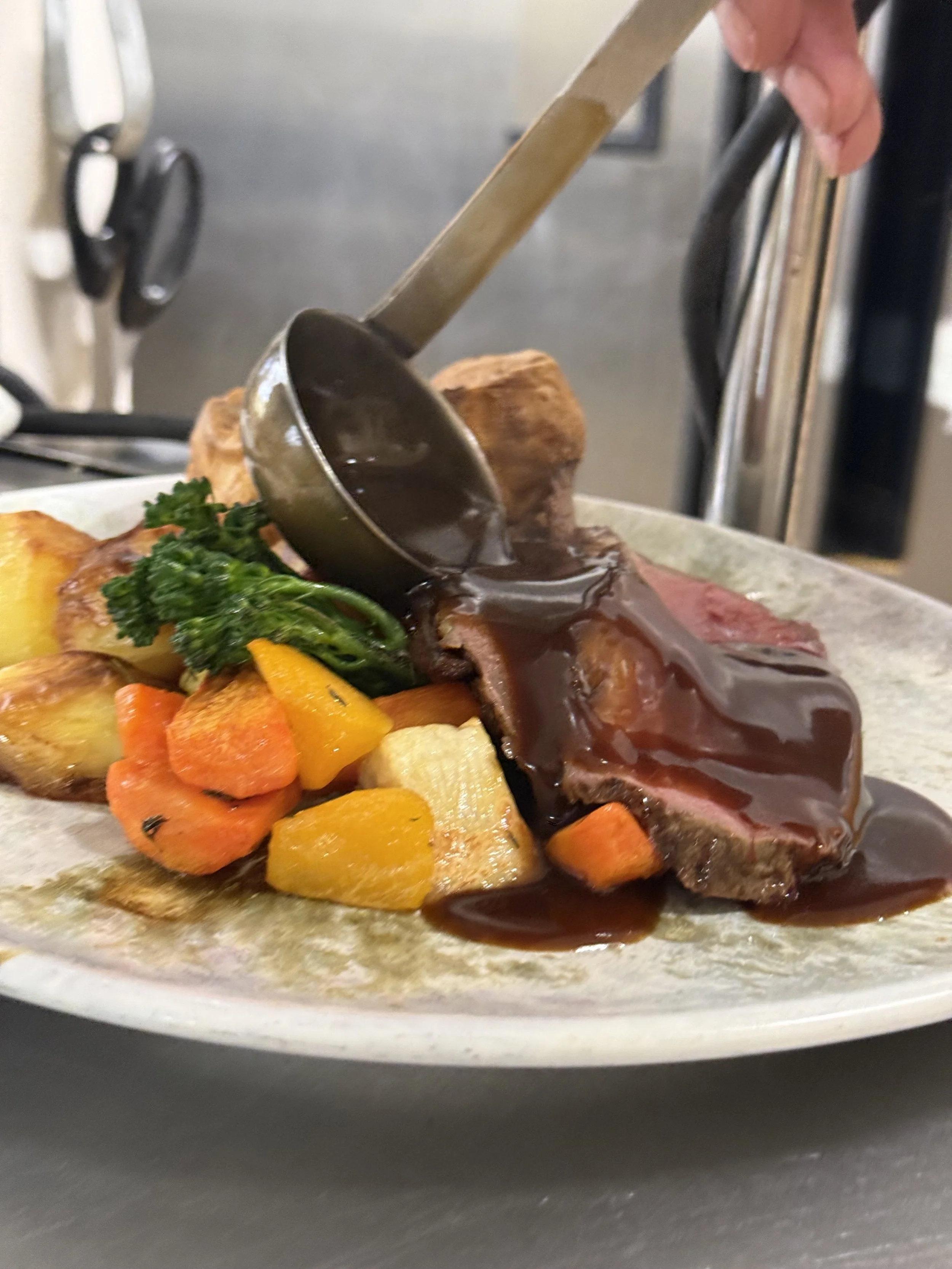
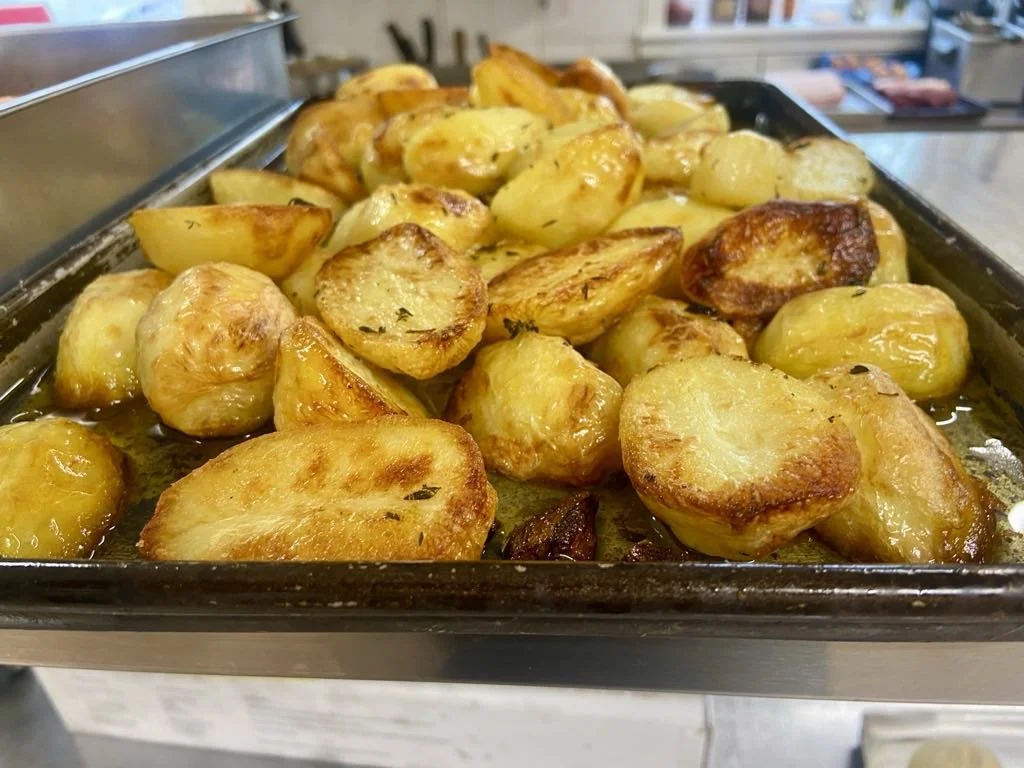
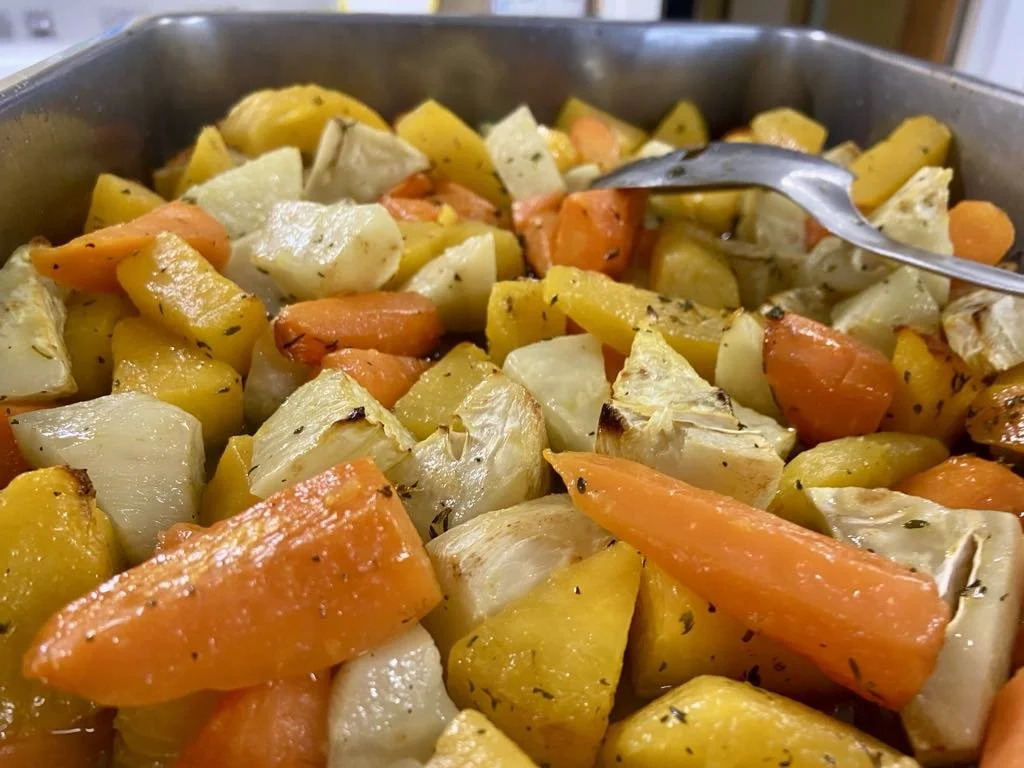
There is a gentle debate that surfaces most Sundays, in kitchens and dining rooms alike: which cut makes the best roast beef? It is a question that sounds simple, but the answer rarely is.
In the restaurants of the Northwest Highlands today, you will find different answers offered with equal conviction. One menu offers tenderloin — remarkably soft, almost delicate, known as fillet to many Scots. At another, a slow-cooked featherblade — rich, yielding, full of depth. Here at The Glebe Kitchen in Eddrachilles Hotel, we tend towards ribeye or sirloin: cuts that sit somewhere between generosity and structure. But we can vary it. Today, for example, our menu offers a duo of ribeye and featherblade.
None of these are right or wrong. They are simply different expressions of the same idea.
What changes, cut by cut
A rib or ribeye carries fat through the meat, which melts as it cooks. The result is flavour that feels rounded and generous, with a natural juiciness that is forgiving in the oven and comforting on the plate.
Sirloin is a little leaner, a little firmer. It slices cleanly and holds its shape, offering a balance between tenderness and bite. For many kitchens, it is the most quietly reliable of the traditional roasting cuts.
Tenderloin is different again. It is prized for its softness rather than its flavour—refined, almost gentle. When handled well, it can feel luxurious in a way that is less about richness and more about texture.
Featherblade, taken from the shoulder, asks for time rather than heat. Cooked slowly, it becomes something altogether deeper—less a roast in the traditional sense, more a study in savoury depth and patience.
A small memory of Scottish Sunday roasts
There is, perhaps, a small generational memory here too.
Growing up as I did in Scotland in the 1960s and 70s, the Sunday roast tended to look a little different from what you might have found further south. The beef was often silverside or topside, sometimes featherblade—cuts that suited a slower, more complete cooking. It would be sliced thin, served well with gravy, and there was, in many Scottish homes, a preference for beef that was thoroughly cooked rather than served pink. And the left overs did several days, hopefully culminating in Stovies…but that’s a memory for another article…
We looked south to England with a certain curiosity. The roasts there seemed pinker, somehow more extravagant, and came with Yorkshire puddings that felt, at the time, faintly exotic.
Neither approach was better than the other. They simply reflected different habits—of butchery, of economy, and of taste.
Over time, those differences have softened. Better sourcing, longer hanging, and a broader restaurant culture have made pink beef more familiar across Scotland, while the older preference has never entirely disappeared.
If anything, both traditions now sit side by side.
Where it all begins
There is also something significant behind all of this.
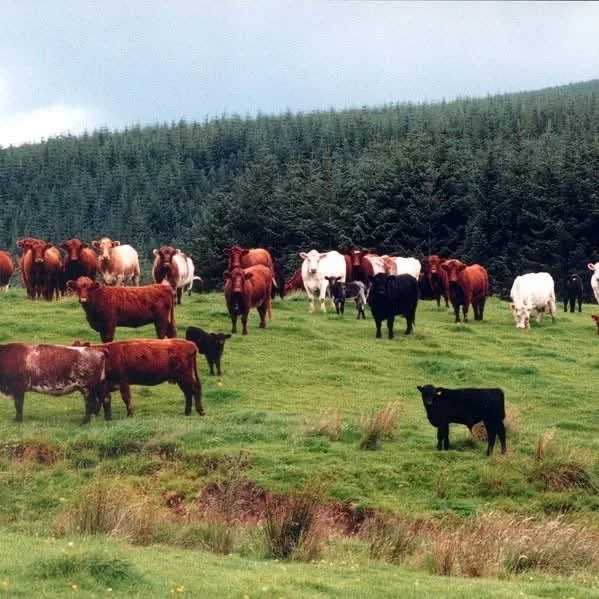
An understanding that beef does not begin in the kitchen, but in the field.
Growing up in rural west Perthshire, close enough to farming to see it properly, there was an early familiarity with the animals themselves—the revered Aberdeen Angus of Perth Sales legend, the new long legged Charolais bull at Lettoch Farm, the Belties who were almost a curiosity. All simply part of the landscape.
It is only later that those early impressions begin to settle into something more useful. As I founds as a rather mature student of a culinary academy in Surrey.
The understanding that different breeds carry themselves differently and that how they are fed matters. That they finish differently. And that what arrives at the butcher’s block already holds much of what will follow.
We are enormously grateful for the opportunity to work with Macbeth;s butchers in Forres.
From time to time, that understanding carries a little further in the kitchen as well. I admire our chefs’ abilities to work with a whole cut—to break it down, to follow the grain, to decide how best it should be used—is a standard chef skill, but an important one. The work of the kitchen, is ultimately not to impose too much, but to recognise what is already there.
The significant choices behind the choice.
What matters, then, is not which cut is best, but what kind of meal is being offered by this particular meat.
Is it a plate built around abundance and warmth?
Something lighter, more refined?
Or something slow-cooked, where flavour is drawn out over hours rather than minutes?
Each cut answers a slightly different question.
A Sunday table, not a league table
Perhaps the most interesting thing is not that there are different answers, but that they can exist side by side.
Across a selection of Highland restaurants, you might find tenderloin, featherblade, rib and sirloin all being served—each one thoughtful, each one deliberate.
It is less a competition than a conversation. Less bold claims and more respectful and skilled delivery. Not league tables of who is best but gratitude that here and now “we hae meat, and we can eat, and sae the Lord be thankett".
And for those who enjoy roast beef in all its forms, it makes Sundays all the more interesting to be able to participate in that debate on those terms..
On any given Sunday, the answer may change. That, perhaps, is the point.